What Is a CIBIL Score and Why Does It Matter?
When it comes to buying a home, your financial credibility matters as much as your dream property’s location. Before approving any loan, banks don’t just look at your income, they also check your CIBIL score. But what exactly is it, how is it calculated, and why does it play such a crucial role in your home loan approval? Let’s explore.
What Is CIBIL Score?
To understand what CIBIL score is, think of it as your financial report card. It’s a three-digit number ranging from 300 to 900, reflecting how well you’ve managed credit in the past, such as loans, EMIs, and credit cards.
The higher your score, the more trustworthy you appear to lenders. This number is generated by TransUnion CIBIL, India’s leading credit information company.
So, the CIBIL full form (and also CIBIL score full form) stands for Credit Information Bureau (India) Limited. It collects and analyzes your credit history from multiple financial institutions to generate your score.
Simply put, understanding what CIBIL score is in bank terms means knowing how banks evaluate your ability to repay before they approve your home loan.
What Is Credit Score and CIBIL Score?
People often use the terms credit score and CIBIL score interchangeably. So, what is credit score and CIBIL score, and are they the same?
A credit score is a general term that represents your overall creditworthiness. The CIBIL score is one specific type of credit score, provided by the Credit Information Bureau (India) Limited.
Understanding the difference between credit score and CIBIL score is simple:
- A credit score can come from any recognized credit bureau (like Experian or Equifax).
- A CIBIL score is specifically generated by TransUnion CIBIL, the oldest and most widely accepted credit bureau in India.
When banks assess loan applications, they most commonly check the CIBIL score, as it’s considered a trusted benchmark in India.
What Is the Use of CIBIL Score?
Knowing what is the use of CIBIL score can help you prepare for your home loan application more strategically. Here’s how your CIBIL score impacts your borrowing experience:
- Loan Eligibility: A high CIBIL score (750 or above) increases your chances of quick approval.
- Interest Rates: Borrowers with better scores often get lower interest rates.
- Loan Amount: Banks are more willing to offer higher loan amounts to individuals with strong credit profiles.
- Faster Processing: With a healthy score, you can enjoy faster loan approvals and less documentation.
- Negotiation Power: Good scores give you an upper hand when negotiating terms with lenders.
Once you’ve built a strong CIBIL score, the next step is making sure the loan which you finally secure works efficiently for you and Home Loan Tax Benefits in India offers a clear guide on how to make your home loan financially smarter.
What Is CIBIL Score in Bank Evaluations?
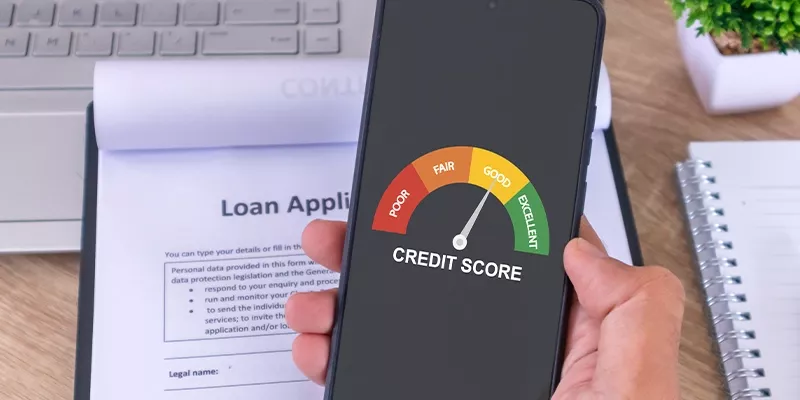
When you apply for a home loan, the first thing banks do is check what CIBIL score is in bank systems. It helps them assess:
- How responsibly you’ve managed credit in the past
- Whether you’ve defaulted on EMIs
- How many loans you currently have
- How frequently you apply for new credit
A high CIBIL score signals reliability. On the other hand, a low score may lead to loan rejection or higher interest rates. Hence, maintaining a good score is key before beginning your property purchase journey.
What Is a Good CIBIL Score in India?
Now that you know what is CIBIL score, you might ask, what is a good CIBIL score in India?
Here’s how it’s generally categorized:
|
Cibil Score Range |
Meaning |
Loan Approval |
|
300-500 |
Poor |
Very Low |
|
550-699 |
Fair |
Possible but with high interest |
|
700-749 |
Good |
Eligible for most loans |
|
750-900 |
Excellent |
High approval chance |
So, a score of 750 or higher is considered ideal. Maintaining this level not only makes borrowing easier but also gives you more flexibility when selecting your home loan provider.
How to Improve Your CIBIL Score

If your score isn’t where you want it to be, don’t worry, it can be improved with consistent financial habits:
- Pay credit card bills and EMIs on time
- Avoid multiple loan applications within a short period
- Maintain a healthy credit utilization ratio (below 30%)
- Review your CIBIL report regularly for errors
- Keep older credit accounts open; long credit history builds trust
By following these steps, you can gradually raise your score and strengthen your chances of securing your desired home loan.
Why Does CIBIL Score Matter for Home Buyers?

In real estate, your CIBIL score often determines how smoothly your home-buying journey unfolds. Banks use this number to gauge your repayment reliability, and a strong score not only improves loan eligibility but also influences interest rates and negotiation power. Building financial discipline early through budgeting, timely EMI payments, and smart credit management can make a huge difference when it’s time to apply for a loan.
Insights like those shared in How to Be Financially Prepared Before Buying a House can help buyers strengthen their financial readiness before taking the next step toward home ownership.
Final Thoughts
Understanding what is CIBIL score, what is credit score and CIBIL score, and the difference between credit score and CIBIL score empowers you to make informed financial decisions.
Before applying for a home loan, always review your report, identify areas for improvement, and ensure you maintain a good CIBIL score in India. A few small steps today can make a big difference in how confidently you move into your new home tomorrow.
Frequently Asked Questions
A CIBIL score of 750 or above is considered good and increases your chances of quick home loan approval with better interest rates.
Yes, but it’s difficult. Banks may offer loans at higher interest rates or ask for a co-applicant or collateral if your score is below 700.
It’s recommended to check your CIBIL score every 3–6 months to monitor your credit health and correct any errors in your report.
No, checking your own CIBIL score is a soft inquiry and does not affect your score. Only multiple loan or credit card applications (hard inquiries) can lower it.
Pay EMIs and credit card bills on time, reduce credit utilization, avoid multiple loan applications, and correct errors in your credit report.