Biggest Industrial Areas in India Driving Warehousing Growth in 2026
Summary
The biggest industrial areas in India include Peenya, Chakan, IMT Manesar, Sriperumbudur, Sanand, Ankleshwar, Bommasandra and Taloja. These industrial hubs support manufacturing, logistics and warehousing growth through strong highway connectivity, access to major cities and ports, established industrial ecosystems, and rising demand from automotive, electronics, pharmaceuticals, engineering, e-commerce and organized retail sectors.
India’s manufacturing sector is expanding with the growth of e-commerce, organized retail, infrastructure, and modern supply chains. This is increasing demand for industrial land, warehouses, logistics parks, and manufacturing facilities. The biggest industrial areas in India have developed as key hubs for industries such as automotive, chemicals, electronics, engineering, and manufacturing.
These industrial hubs also support efficient warehousing and distribution due to their connectivity to major markets, highways, ports, and production centres. Here are the top industrial areas in India explained below, along with the key industries and sectors they are known for.
List of Biggest Industrial Areas in India for Warehousing and Logistics
Peenya Industrial Area, Bengaluru
Peenya is a prominent industrial area in Bengaluru, India. Peenya is located along the Bengaluru-Tumakuru Highway (NH-4), Peenya is among the largest industrial areas in Asia. Established in the late 1970s, it is home to small, medium, and large-scale industries across engineering, electrical, textile, hydraulics, machine tools, and rubber manufacturing.
Businesses evaluating logistics opportunities in this established manufacturing cluster can also explore why choose a warehouse in Peenya to understand its warehousing advantages.
Key Highlights Peenya Industrial Area:
- Bengaluru's long-established centre for engineering and manufacturing businesses
- Dense concentration of MSMEs and specialized industrial suppliers
- Mature industrial estate supporting diverse manufacturing requirements
Key Industries In Peenya:
- Industrial machinery manufacturing for regional engineering companies
- Electrical equipment production serving commercial and industrial applications
- Metal fabrication supporting machinery and manufacturing businesses
Proximity & Connectivity From Peenya:
- Bengaluru city centre - approximately 15 km
- Bengaluru Railway Station - approximately 12 km
- Kempegowda International Airport - approximately 35 km
- Nelamangala - approximately 19 km
Chakan Industrial Area, Pune
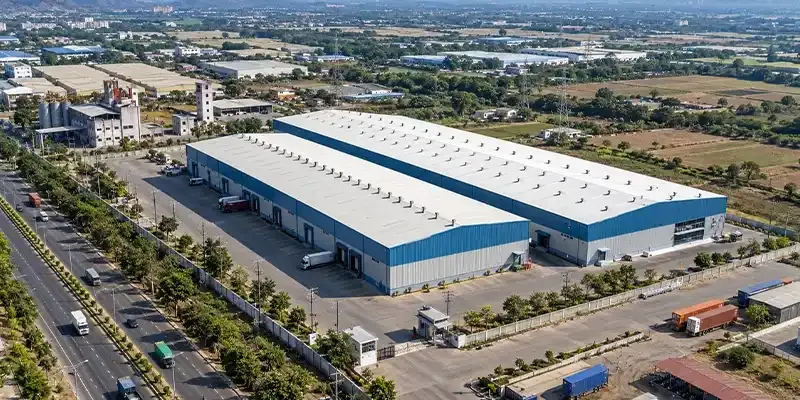
Chakan Industrial Area is located in Pune district of Maharashtra and is part of the Pune Metropolitan Region. Chakan Industrial Area is one of India’s largest automobile and manufacturing hubs, developed by MIDC as a manufacturing and logistics hub. Home to major automobile companies, Chakan is an important industrial hub of India, located about 40 km from Pune and 140 km from Mumbai.
Key Highlights Chakan Industrial Area:
- Major automobile production cluster north of Pune
- Extensive network of automotive suppliers and ancillary units
- Significant manufacturing activity across large industrial estates
Key Industries Chakan:
- Passenger and commercial vehicle manufacturing operations
- Auto-component production supporting vehicle assembly plants
- Engineering and precision manufacturing for automotive companies
Proximity & Connectivity from Chakan Industrial Area:
- Pune - approximately 40 km
- Pune International Airport - approximately 42 km
- Mumbai - approximately 133 km
- JNPT Port - approximately 120 km
IMT Manesar, Haryana
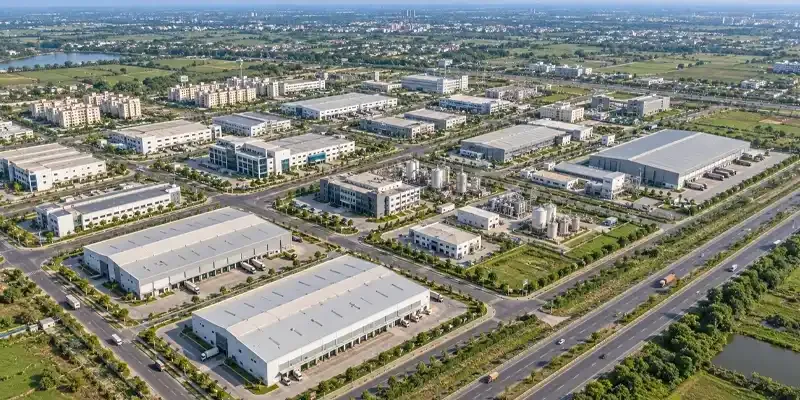
IMT Manesar forms a major part of the Delhi NCR manufacturing landscape. IMT Manesar developed strongly around automotive production and now includes engineering, electronics, industrial equipment, and supporting businesses serving manufacturers across the Gurugram-Manesar corridor.
Key Highlights IMT Manesar:
- Major automotive manufacturing destination in northern India
- Large-scale industrial township near the NCR consumer market
- Strong presence of multinational manufacturing companies
Key Industries IMT Manesar:
- Automobile and commercial vehicle manufacturing
- Auto components and precision engineering products
- Electronics and industrial equipment manufacturing
Proximity & Connectivity from IMT Manesar:
- Gurugram - approximately 20 km
- New Delhi - approximately 50 km
- IGI Airport - approximately 35 km
- Delhi-Mumbai Expressway, Haryana - approximately 40 km
Udyog Vihar, Gurugram
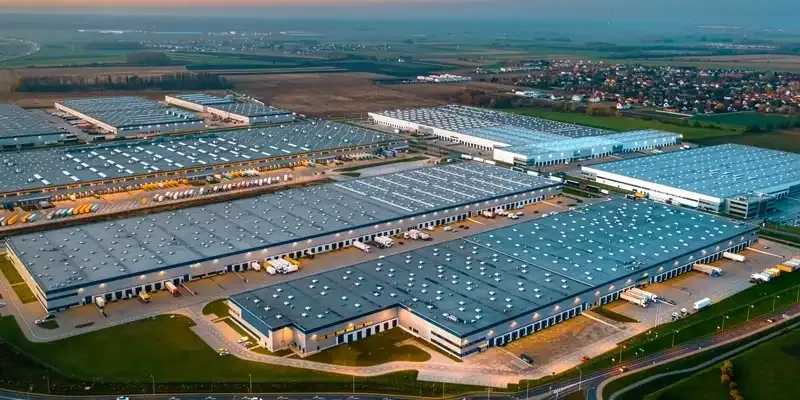
Udyog Vihar is an established industrial and business district in Gurugram. Unlike large peripheral manufacturing estates, its importance comes from its urban location and proximity to corporate offices, commercial centres, service businesses, and the wider Delhi NCR consumption base.
Key Highlights Udyog Vihar:
- Established business and industrial district near Delhi
- Strong concentration of commercial and service-oriented businesses
- Valuable location for urban distribution requirements
Key Industries Udyog Vihar:
- Light manufacturing serving nearby commercial markets
- Electronics and electrical goods for regional customers
- Business services supporting NCR's corporate ecosystem
Proximity & Connectivity - Udyog Vihar:
- Gurugram - approximately 10 km
- New Delhi - approximately 22 km
- IGI Airport - approximately 9 km
- Dwarka Expressway - approximately 19 km
Vatva GIDC, Ahmedabad
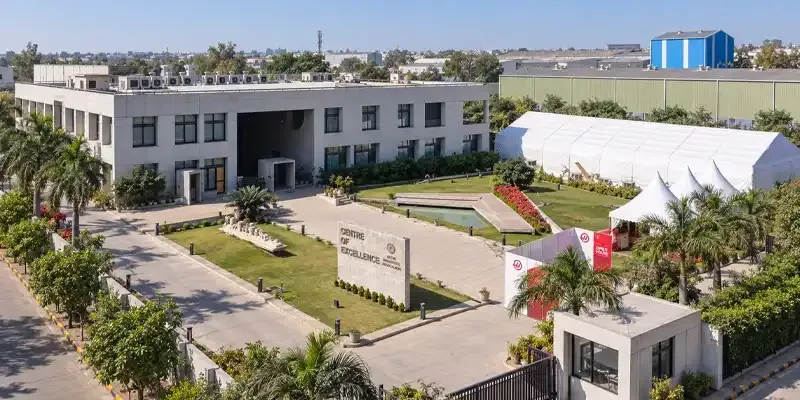
Vatva GIDC is a prominent industrial estate within Ahmedabad's manufacturing network. Its industrial profile includes chemicals, pharmaceuticals, engineering, textiles, and other production activities, creating a diverse base of established companies and smaller manufacturing units.
Key Highlights Vatva GIDC:
- One of Ahmedabad's established manufacturing estates
- Diverse mix of chemical and engineering businesses
- Strong presence of small and medium industries
Key Industries Vatva GIDC:
- Chemical production serving Gujarat's manufacturing sector
- Pharmaceutical manufacturing supporting healthcare supply chains
- Engineering and fabrication for industrial applications
Proximity & Connectivity from Vatva GIDC:
- Ahmedabad - approximately 11 km
- Ahmedabad Railway Station - approximately 10 km
- Sardar Vallabhbhai Patel International Airport - approximately 20 km
- Sanand - approximately 30 km
Ankleshwar GIDC, Gujarat
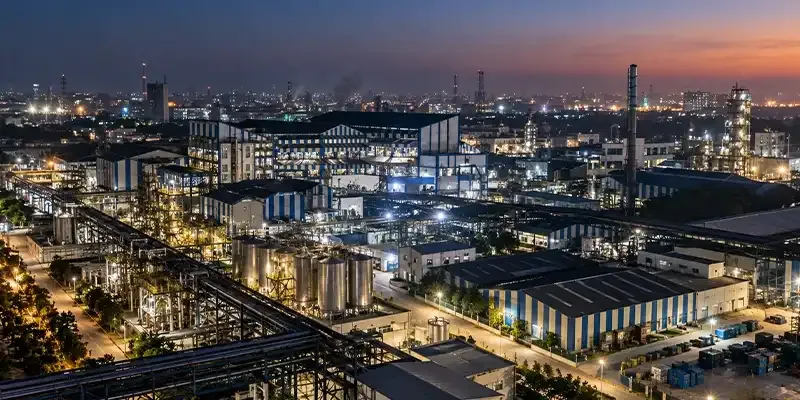
Ankleshwar has built its industrial identity around chemical and pharmaceutical manufacturing. The cluster supports process industries through specialized suppliers, engineering companies, packaging businesses, and industrial service providers, making it an important part of Gujarat's chemical manufacturing belt.
Key Highlights Ankleshwar:
- Major chemical manufacturing destination in Gujarat
- Specialized ecosystem supporting process-based industries
- Significant pharmaceutical production alongside chemical businesses
Key Industries Ankleshwar:
- Specialty chemicals for industrial and commercial applications
- Pharmaceutical formulations and healthcare product manufacturing
- Industrial engineering supporting chemical processing facilities
Proximity & Connectivity from Ankleshwar:
- Bharuch - approximately 12 km
- Vadodara - approximately 90 km
- Surat - approximately 60 km
- Hazira Port - approximately 86 km
Sanand Industrial Area, Gujarat
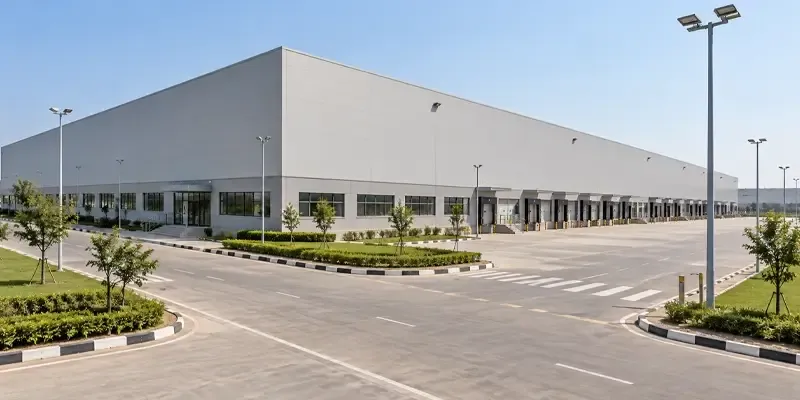
Sanand Industrial Area represents one of Gujarat's newer manufacturing destinations and has attracted investments in automotive, electronics, engineering, and advanced production. Its development demonstrates the state's shift toward newer industrial clusters designed around large-scale manufacturing opportunities.
Key Highlights Sanand Industrial Area:
- Emerging destination for automotive and electronics investment
- Modern industrial development around Ahmedabad
- Increasing concentration of large manufacturing projects
Key Industries Sanand Industrial Area:
- Automotive manufacturing and vehicle production
- Electronics and electrical equipment manufacturing
- Engineering and advanced industrial manufacturing
Proximity & Connectivity - Sanand Industrial Area:
- Ahmedabad - approximately 35 km
- Ahmedabad International Airport - approximately 40 km
- Ahmedabad Railway Station - approximately 25 km
- Mundra Port - approximately 300 km
Bommasandra Industrial Area, Bengaluru
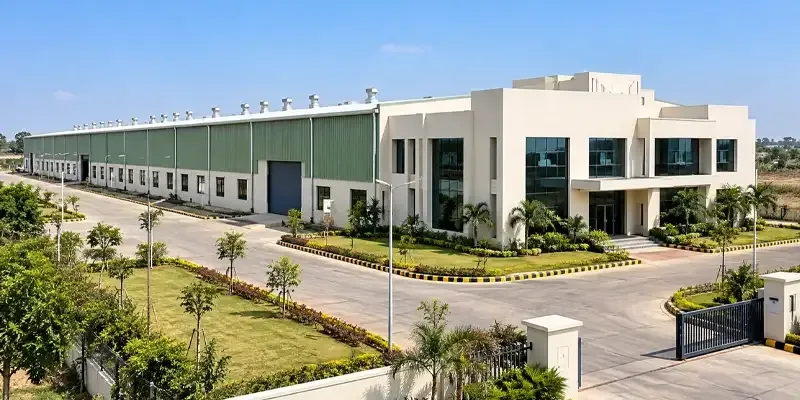
Bommasandra Industrial Area is a significant industrial cluster in southern Bengaluru and sits along the Bengaluru-Hosur manufacturing corridor. Its location has encouraged automotive components, engineering, pharmaceutical, electronics, and other manufacturers to establish operations in the area.
Key Highlights Bommasandra Industrial Area:
- Key manufacturing cluster in southern Bengaluru
- Directly linked to Bengaluru-Hosur industrial corridor
- Diverse base of established manufacturing companies
Key Industries Bommasandra Industrial Area:
- Automotive components for regional vehicle manufacturers
- Engineering products and industrial equipment
- Pharmaceutical and electronic product manufacturing
Proximity & Connectivity - Bommasandra:
- Bengaluru city centre - approximately 25 km
- Electronic City - approximately 6 km
- Hosur - approximately 20 km
- Kempegowda International Airport - approximately 55 km
SIPCOT Sriperumbudur, Tamil Nadu
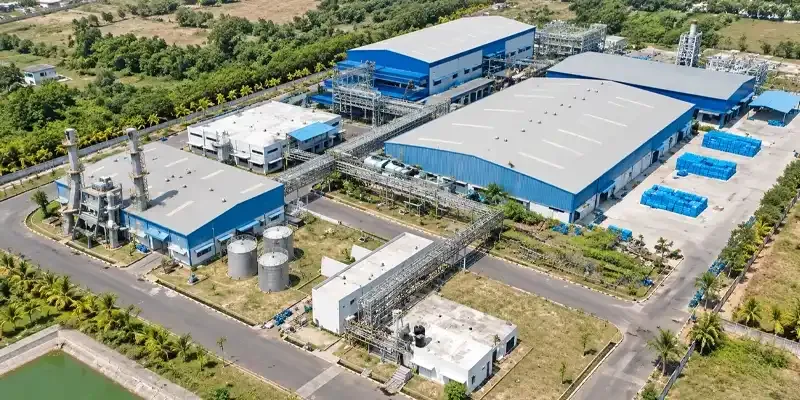
Sriperumbudur has developed into a major manufacturing corridor west of Chennai. Automotive, electronics, engineering, and export-focused businesses have established operations here, creating one of Tamil Nadu's most important production zones connected to international trade infrastructure.
Companies considering storage and distribution facilities in this corridor can also read Why choose a warehouse in Sriperumbudur, Chennai for a closer look at its warehousing potential.
Key Highlights SIPCOT Sriperumbudur:
- Major manufacturing corridor surrounding western Chennai
- Strong concentration of electronics and automotive companies
- Important location for export-oriented industrial production
Key Industries Sriperumbudur:
- Automobile and auto-component manufacturing
- Electronics and electrical equipment production
- Engineering and export-focused manufacturing
Proximity & Connectivity - Sriperumbudur:
- Chennai - approximately 36 km
- Chennai International Airport - approximately 30 km
- Chennai Port - approximately 45 km
- Kamarajar Port - approximately 45 km
Ambattur Industrial Estate, Chennai
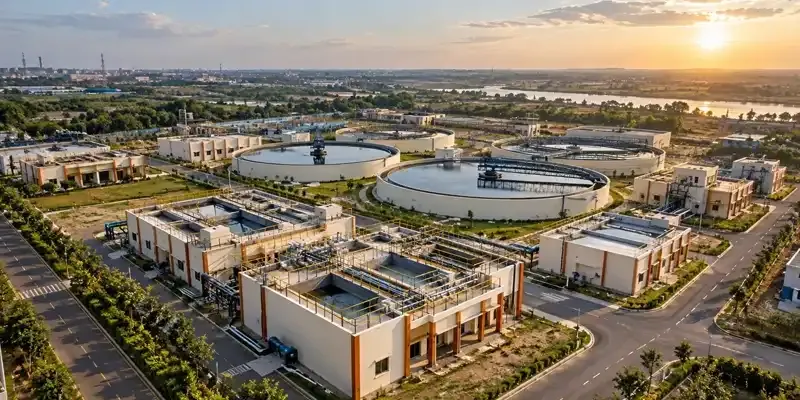
Ambattur Industrial Estate is one of Chennai's best-known established industrial estates, with decades of activity across engineering, electrical, electronics, automotive components, and MSME manufacturing. Ambattur’s metropolitan location allows businesses to remain close to Chennai's dense commercial and consumer base.
Key Highlights Ambattur Industrial Estate:
- Long-established industrial estate within Chennai
- Large ecosystem of MSMEs and engineering companies
- Convenient location for serving metropolitan customers
- One of the biggest industrial areas in India
Key Industries Ambattur Industrial Estate:
- Engineering and machinery manufacturing for industrial customers
- Electrical and electronics production for commercial markets
- Automotive components supporting regional manufacturers
Proximity & Connectivity - Ambattur:
- Chennai city centre - approximately 15 km
- Chennai International Airport - approximately 19 km
- Chennai Port - approximately 25 km
- Sriperumbudur - approximately 31 km
Pithampur Industrial Area, Madhya Pradesh
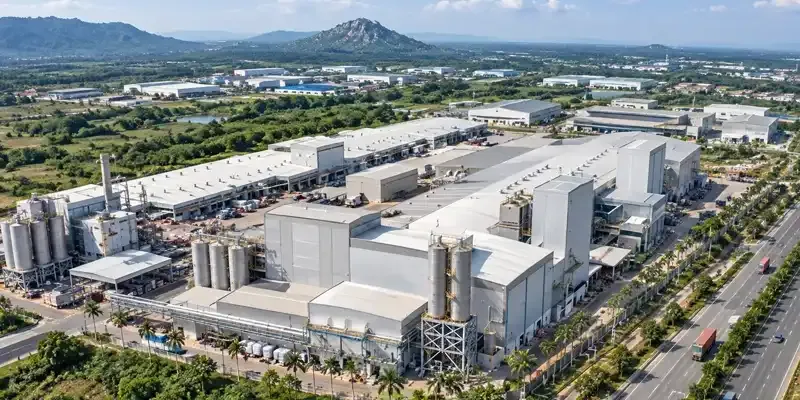
Pithampur Industrial Area is a major manufacturing centre near Indore and one of central India's important industrial destinations. Its diversified industries and geographic position make it suitable for businesses serving Madhya Pradesh as well as markets across western, northern, and central India.
Key Highlights Pithampur Industrial Area:
- Major industrial destination within central India
- Diverse manufacturing base across multiple sectors
- Suitable location for regional production and distribution
Key Industries Pithampur Industrial Area:
- Automotive and commercial vehicle component manufacturing
- Pharmaceutical and healthcare product manufacturing
- Engineering and industrial machinery production
Proximity & Connectivity - Pithampur:
- Indore - approximately 30 km
- Indore Airport - approximately 28 km
- Indore Railway Station - approximately 30 km
- Mumbai - approximately 600 km
Taloja MIDC, Maharashtra
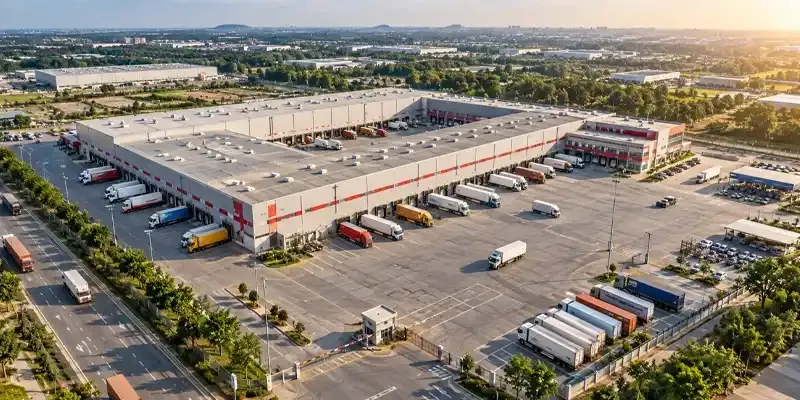
Taloja is part of the wider Navi Mumbai industrial belt and has a notable concentration of chemical, pharmaceutical, engineering, and manufacturing businesses. Its location within the Mumbai Metropolitan Region also connects industrial operations with one of India's largest commercial markets.
Key Highlights
- Established industrial destination near Navi Mumbai
- Strong chemical and pharmaceutical manufacturing presence
- Access to Mumbai's extensive commercial ecosystem
Key Industries
- Chemical manufacturing for industrial applications
- Pharmaceutical production supporting healthcare markets
- Engineering and equipment manufacturing for industries
Proximity & Connectivity
- Navi Mumbai - approximately 14 km
- Mumbai - approximately 53 km
- Mumbai International Airport - approximately 45 km
- JNPT Port - approximately 33 km
Okhla Industrial Area, Delhi
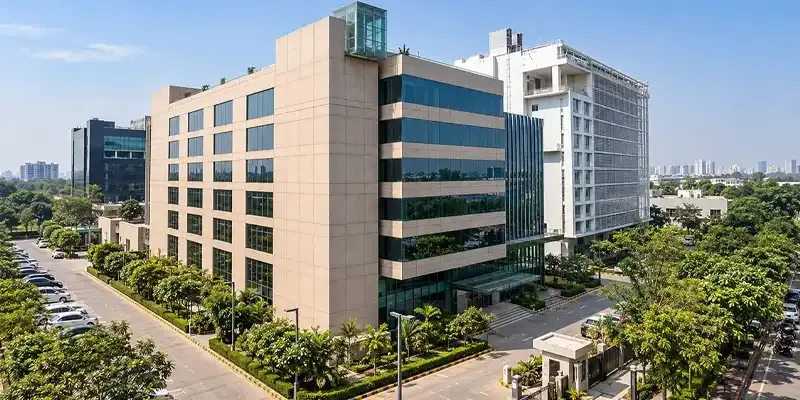
Okhla Industrial Area is one of Delhi's established industrial areas and benefits from its location within a densely populated metropolitan market. Its businesses span manufacturing, garments, electronics, engineering, packaging, and distribution, with a strong emphasis on serving nearby consumers.
Businesses assessing Okhla industrial area for warehouse requirements can benefit from its proximity to Delhi, Noida, major commercial centres, and NCR consumption markets.
Key Highlights Okhla Industrial Area:
- Established industrial destination in South Delhi
- Excellent access to Delhi NCR consumer markets
- Strong mix of manufacturing and commercial businesses
Key Industries Okhla Industrial Area:
- Garment manufacturing serving Delhi's textile market
- Electronics production for regional consumer demand
- Packaging and light manufacturing supporting local businesses
Proximity & Connectivity - Okhla:
- Central Delhi - approximately 24 km
- Noida - approximately 15 km
- IGI Airport - approximately 20 km
- Gurugram - approximately 36 km
Naraina Industrial Area, Delhi
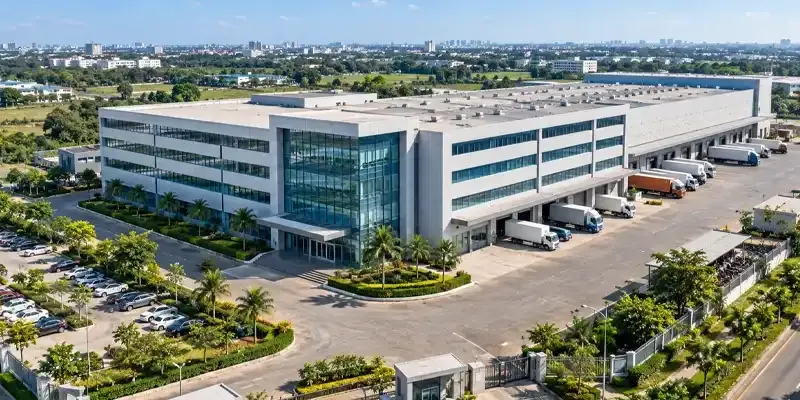
Naraina is a mature industrial district in West Delhi with a long history of small and medium manufacturing businesses. Its relatively central position gives companies convenient access to Delhi's commercial areas, suppliers, customers, and surrounding NCR markets.
Key Highlights Naraina Industrial Area:
- Mature industrial district within West Delhi
- Long-standing base of small manufacturing businesses
- Convenient access to central commercial markets
Key Industries Naraina:
- Engineering and fabrication for local industries
- Electrical products serving commercial and industrial customers
- Consumer goods manufacturing for Delhi markets
Proximity & Connectivity from Naraina Industrial Area:
- New Delhi - approximately 12 km
- Connaught Place - approximately 13 km
- IGI Airport - approximately 12 km
- Gurugram - approximately 30 km
Bawana Industrial Area, Delhi
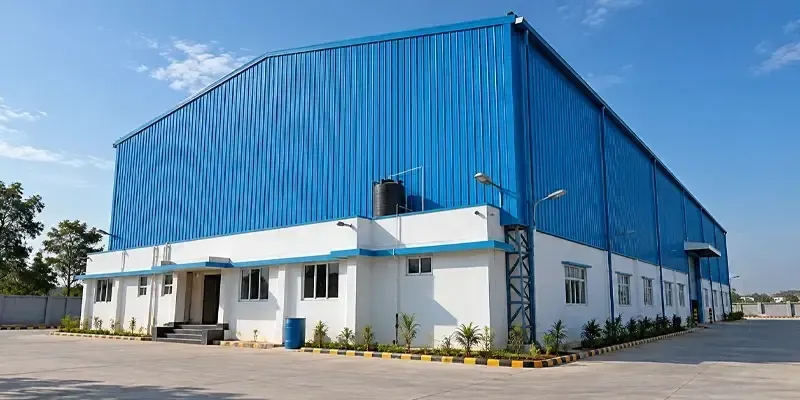
Bawana Industrial Area is a planned industrial area in North Delhi developed to accommodate a broad range of manufacturing activities. Its larger industrial footprint provides space for businesses that require more room for production, storage, equipment, and operational expansion.
For companies exploring the Bawana industrial area for warehousing, the location offers access to North Delhi markets along with relatively larger spaces for industrial and logistics operations.
Key Highlights Bawana Industrial Area:
- Planned industrial zone supporting numerous manufacturing businesses
- Larger operating spaces compared with central Delhi estates
- Important manufacturing location serving North Delhi markets
Key Industries Bawana Industrial Area:
- General manufacturing for Delhi NCR businesses
- Furniture production serving residential and commercial markets
- Packaging manufacturing supporting regional supply chains
Proximity & Connectivity - Bawana:
- New Delhi - approximately 35 km
- IGI Airport - approximately 36 km
- Sonipat - approximately 27 km
- Kundli - approximately 16 km
Why Industrial Areas Are Driving Warehousing Growth in 2026?
Industrial areas are driving warehousing growth in 2026 because manufacturers need nearby facilities to store raw materials, components, packaging, and finished goods. Rising e-commerce and organized retail demand is further increasing the need for strategically located distribution centres. This is supporting growth in Grade A warehouses, logistics parks, fulfilment centres, cold-chain facilities, and built-to-suit warehouses across major manufacturing markets.
As industrial activity expands, warehousing is moving closer to manufacturing clusters and consumption markets. This proximity helps businesses reduce transportation costs, improve supply-chain efficiency, and enable faster distribution, making industrial locations increasingly attractive for modern warehousing and logistics operations.
What Makes an Industrial Area Attractive for Warehousing?
The best location is not necessarily the largest industrial estate. Warehousing operators generally look at a combination of market access, infrastructure, operating costs, and future development.
Highway and Road Access
Direct access to national highways and expressways helps reduce transportation time between factories, warehouses, and customers.
Manufacturing Base
A concentration of factories creates recurring requirements for component storage, raw-material handling, finished-goods storage, and industrial distribution.
Land Availability
Modern warehouses need sufficient land for storage buildings, loading bays, truck parking, internal roads, and future expansion.
Consumer Market Access
Locations near major cities allow businesses to shorten delivery routes and improve regional distribution efficiency.
Freight and Port Connectivity
Manufacturers involved in interstate or international trade benefit from proximity to rail freight networks, ports, airports, and multimodal logistics facilities.
How Address Advisors Can Help
Address Advisors helps businesses identify the right industrial and warehousing locations based on their operational needs, budget, connectivity, and growth plans. With market insights and location expertise, we help clients evaluate opportunities and make confident industrial real estate decisions.
Conclusion
India's leading industrial areas are playing a growing role in manufacturing, logistics, and warehousing development. Chakan, Peenya, IMT Manesar, and Sriperumbudur are among the prominent locations supporting diverse industrial activities, while Gujarat's chemical and automotive clusters further strengthen India's manufacturing landscape.
For businesses looking for the biggest industrial areas in India, the ideal location depends on operational requirements, target markets, industry specialization, and supply-chain needs. A location suitable for automotive manufacturing may differ considerably from one suited to pharmaceuticals, e-commerce, or regional distribution.
With improving infrastructure and increasingly connected supply chains, India's major industrial areas are expected to attract greater investment in industrial real estate, warehousing, and logistics throughout 2026 and beyond.
 Address Advisors
Discover all our blogs covering real estate insights, market trends, workspace strategies, and industry updates. Explore expert perspectives and valuable information designed to help you make informed property decisions.
Frequently Asked Questions
There is no single officially recognized biggest industrial area in India. Different locations rank highly based on land area, manufacturing output, investment, employment, or number of industrial units.
The top industrial area in India depends on the sector. Chakan is prominent for automotive manufacturing, Peenya for engineering, Manesar for NCR manufacturing, and Sriperumbudur for electronics and automobiles.
India has several major industrial hubs rather than one officially designated location. Gujarat, Mumbai-Pune, Delhi NCR, Bengaluru, Chennai, and Hyderabad are among the country's major industrial regions.
Major manufacturing regions around Pune, Bengaluru, Chennai, Delhi NCR, Gujarat, and Mumbai are contributing significantly to India's warehousing growth due to manufacturing, retail, e-commerce, and logistics demand.
Warehouses near industrial areas can reduce the distance between factories, suppliers, and distribution networks. This can improve inventory availability and make transportation more efficient.
Automotive, e-commerce, FMCG, pharmaceuticals, electronics, organized retail, engineering, food processing, consumer goods, and third-party logistics are important sources of warehouse demand.
Businesses should evaluate road access, land availability, labour, utilities, warehouse costs, supplier proximity, customer markets, freight infrastructure, and planned infrastructure development.
Industrial corridors can strengthen connections between manufacturing centres and major markets. Improved freight movement can encourage additional logistics parks, distribution centres, and warehouses around developing industrial regions.