What Is a Pucca House? Meaning, Types & Comparison with Kutcha House
Summary
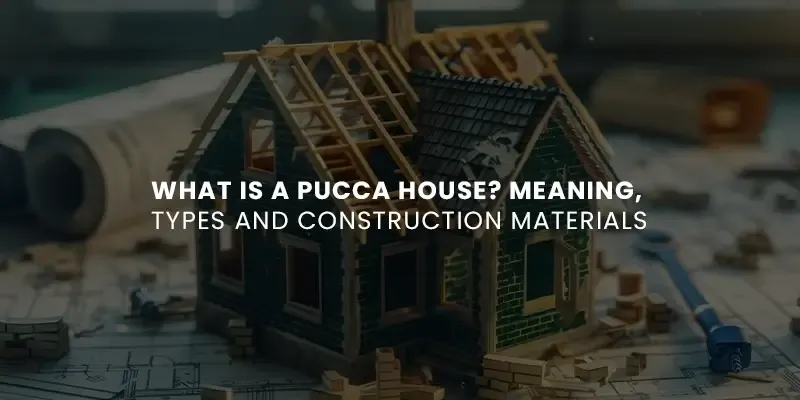
A pucca house is a permanent home built with strong and durable construction materials. Pucca house is designed for long-term use and generally offers better protection from weather conditions than temporary structures. These homes are common in both urban and rural areas.
Understanding what is a pucca house? Pucca House is a residential structure with walls and a roof made from permanent materials such as bricks, cement, concrete and stone. The exact construction can vary based on the location, design, budget and building requirements.
This guide explains the definition, construction materials, different forms, benefits and limitations of these permanent homes.
What is a Pucca House?
A pucca house is a permanent residential structure constructed with durable materials. Pucca House’s major components are designed to provide stability and long-term use.
The meaning of pucca house is associated with permanent and solid construction. Unlike a temporary home, this type of structure is built using materials that are intended to withstand regular use and normal weather conditions.
A properly planned home can include features such as proper ventilation, electrical systems, plumbing, drainage and durable flooring. Its overall strength depends on the design, material quality, soil condition and workmanship.
Types of Pucca House
The types of pucca house can be identified based on the construction materials and structural methods used. Common pucca house types include brick houses, RCC structures, concrete homes and stone houses.
For a broader understanding of residential structures, you can also explore the different types of houses in India and how they differ in construction, design and usage.
-
Brick and Mortar House
A brick and mortar house is built using bricks joined with cement-based mortar. It is a common form of permanent residential construction in India.
-
RCC House
An RCC house uses Reinforced Cement Concrete for structural elements such as columns, beams and slabs. Steel reinforcement is placed inside the concrete to improve its structural performance.
-
Concrete House
A concrete house uses concrete extensively in its structural components. This construction method is commonly used for modern homes and multi-storey buildings.
-
Stone House
A stone house uses natural or processed stone for walls and other suitable parts of the building. This method is particularly suitable in regions where stone is readily available.
Pucca House vs Semi-Pucca House
A pucca house generally uses permanent materials for both its walls and roof. A semi-pucca house combines permanent and less-permanent materials in its construction.
For example, a house may have permanent brick walls but a roof made from a material that is not considered permanent under a particular classification system.
The difference mainly depends on the materials used for the walls and roof. Understanding these classifications can help homeowners identify the type of residential structure they have.
Benefits of a Pucca House
The main benefits of a pucca house are durability, better weather protection, improved comfort and suitability for long-term living.
- Durability: Strong construction materials can provide a long service life when the building is properly designed and maintained.
- Weather protection: Permanent walls and roofs can provide better protection against normal rain, wind and heat.
- Better security: Solid walls, doors and windows can provide greater security than temporary structures.
- Modern facilities: These homes can accommodate plumbing, electrical, drainage and sanitation systems.
- Design flexibility: Homeowners can select different floor plans, room layouts and finishing options.
- Better comfort: Proper ventilation, lighting and insulation can improve the indoor environment.
- Long-term use: Permanent construction is suitable for families looking for a home for many years.
Limitations of Pucca Houses
The limitations of pucca houses mainly include higher initial costs, longer construction periods and regular maintenance requirements.
- Higher initial investment: Permanent construction generally requires materials such as cement, steel, concrete and bricks.
- Longer construction time: A permanent home involves foundation work, structural construction, plumbing, electrical work and finishing.
- More planning: Proper architectural and structural planning is required before construction begins.
- Maintenance expenses: Paint, waterproofing, plumbing, electrical systems and fittings require periodic maintenance.
- Professional repairs: Some structural or concealed-system repairs may require qualified professionals.
- Material price fluctuations: Changes in the prices of cement, steel and other materials can affect the total budget.
The total expense can vary considerably depending on the size and specifications of the property. For an example of how these costs are calculated, see the guide to 1200 sq ft house construction cost in India.
Mistakes to Avoid While Building a Pucca House
The most important mistakes to avoid are poor planning, unsuitable materials, weak foundation planning and inadequate waterproofing.
- Ignoring soil conditions: The foundation should be planned according to the soil and structural requirements.
- Using poor-quality materials: Low-quality cement, bricks, steel or concrete can affect the durability of the structure.
- Skipping structural planning: A qualified professional should prepare or review the structural design.
- Ignoring waterproofing: Roofs, bathrooms, balconies and other moisture-prone areas need suitable waterproofing.
- Poor drainage: Water should be properly directed away from the building.
- Unplanned electrical work: Electrical points and wiring should be planned before finishing work.
- Unplanned plumbing: Water supply and drainage lines should be considered during the design stage.
- Hiring unskilled workers: Poor workmanship can affect the quality even when good materials are used.
Working with experienced professionals can improve planning and construction quality. Homeowners building in Bengaluru can also refer to this guide on construction companies in Bangalore when researching potential service providers.
What is the Difference Between Kacha and Pakka House?
The main difference between a kacha and pakka house is the type and permanence of the construction materials.
A pakka house, also written as a pucca house, uses permanent materials such as burnt bricks, cement, concrete and stone. A kacha or kutcha house generally uses less-permanent materials such as mud, bamboo, thatch or unburnt bricks.
|
Feature |
Pakka/Pucca House |
Kacha/Kutcha House |
|
Construction |
Permanent |
Generally less permanent |
|
Walls |
Brick, concrete, stone |
Mud, bamboo, unburnt bricks |
|
Roof |
Permanent roofing materials |
Often less-permanent materials |
|
Durability |
Generally higher |
Generally lower |
|
Cost |
Usually higher |
Usually lower |
The classification can vary depending on the housing standard or system being used.
Which Material is Used in Pucca House?
Pucca houses are made of durable materials such as bricks, cement, concrete, steel, stone, cement blocks, tiles, sand and aggregates.
The choice of material depends on the building design, structural requirements, location, soil conditions and available budget.
Common construction materials include:
- Bricks: Commonly used for walls and masonry.
- Cement: Used in mortar and concrete.
- Concrete: Used for foundations, beams, columns and slabs.
- Steel: Commonly used as reinforcement in RCC structures.
- Stone: Used for walls, foundations and selected design elements.
- Cement blocks: Used as an alternative masonry material.
- Tiles: Commonly used for flooring and selected roofing applications.
- Sand and aggregates: Used in mortar and concrete mixtures.
Choosing suitable materials and using them correctly is important for the durability of the finished structure.
Conclusion to What is a Pucca House
Knowing what is a pucca house makes it easier to understand the difference between permanent and temporary homes. A pucca house is built using durable materials such as bricks, cement, concrete and steel, making it suitable for long-term living. With proper planning, quality materials and regular maintenance, it can provide a safe, comfortable and durable living space for families.
 Address Advisors
Discover all our blogs covering real estate insights, market trends, workspace strategies, and industry updates. Explore expert perspectives and valuable information designed to help you make informed property decisions.
Frequently Asked Questions
A pucca house is a permanent residential structure built with durable materials such as bricks, cement, concrete, stone and reinforced concrete.
The common types of pucca houses include brick and mortar houses, RCC houses, concrete houses and stone houses.
Pucca houses are made of materials such as bricks, cement, concrete, steel, stone, cement blocks, tiles, sand and aggregates.
A pucca house generally uses permanent materials for its major components, while a semi-pucca house combines permanent and less-permanent materials.
A semi-pucca house is a residential structure that uses a combination of permanent and less-permanent materials.