Chakan Talegaon or Ranjangaon–Phulgaon Punes Warehousing Edge
Pune has emerged as one of India’s most important warehousing hubs, with two micromarkets leading its growth: Chakan–Talegaon in the west and Ranjangaon–Phulgaon in the east. These corridors dominate because of their strong industrial ecosystems, Grade-A warehousing supply, excellent connectivity, and diverse occupier demand from manufacturing, 3PL, e-commerce, and distribution companies. While Chakan–Talegaon excels in scale, manufacturing linkages, and big-box readiness, Ranjangaon–Phulgaon stands out for its competitive land economics, strategic regional access, and fast-growing industrial base. Together, they create a balanced and future-ready logistics network.
Pune has rapidly evolved into one of India’s strongest industrial and warehousing hubs, supported by manufacturing expansion, improved connectivity, and increasing institutional interest in Grade-A logistics assets. Within this landscape, two micromarket clusters consistently lead the market: Chakan–Talegaon in the west and Ranjangaon–Phulgaon in the east/south-east.
These corridors now anchor the majority of warehousing activity in Pune, thanks to their strategic advantages, mature ecosystems, and occupier-friendly development patterns. This blog breaks down why they dominate, how they differ, and what businesses should assess before choosing between them.
Pune Warehousing Market Size & Total Inventory
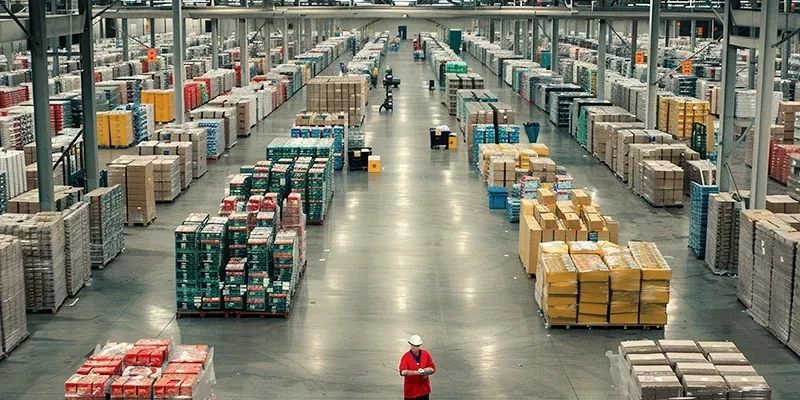
Pune’s warehousing and logistics market has grown significantly in recent years and now ranks among India’s most dynamic industrial hubs. The city had an estimated warehousing stock of over 33 million sq.ft. as of 2021, with projections suggesting close to 60 million sq.ft. by 2025, driven by strong demand from manufacturers, 3PLs, and e-commerce companies.
In 2025, Pune continued to witness strong absorption momentum with approximately 7.4 million sq.ft. of warehouse space leased year-to-date, marking nearly a 10% year-on-year growth in leasing activity. The Chakan–Talegaon belt alone accounted for nearly 70% of this leasing volume, highlighting the dominant role these micromarkets play in the region’s logistics ecosystem.
These figures reflect not just robust demand but also the scale and maturity of Pune’s warehousing inventory, supported by both institutional investment and occupier confidence in Grade-A logistics assets.
Pune’s Warehousing Landscape: A Concentrated Growth Pattern
Pune’s industrial development is no longer spread thin across multiple nodes. The city’s warehousing growth is primarily concentrated in two high-performance corridors:
- Chakan–Talegaon (Western Industrial Belt)
- Ranjangaon–Phulgaon (Eastern/South-Eastern Belt)
Both clusters enjoy strong demand from manufacturing, 3PLs, e-commerce, regional distribution networks, and ancillary industries. Their ability to support modern Grade-A parks, multi-user facilities and large-format developments makes them the backbone of Pune’s logistics sector.
Why Chakan–Talegaon Leads Pune’s Warehousing Market?
1. A Strong Manufacturing Core
Chakan has long been the epicenter of automotive and engineering production. With multiple OEMs and large industrial units nearby, demand for warehousing remains consistently high. Occupiers prefer this belt for:
- Just-in-time component storage
- Vendor-managed inventory facilities
- 3PL-managed industrial logistics hubs
This deep ecosystem gives the western corridor unmatched stability.
2. Abundance of Large-Scale Land Parcels
One of the biggest advantages of this belt is the availability of large, contiguous land parcels that support:
- Mega logistics parks
- High-specification Grade-A warehouses
- Build-to-suit (BTS) opportunities
The region is ideal for occupiers that require scale, automation-ready buildings, and multi-phase expansion capabilities.
3. Mature, Diversified Demand Base
The western corridor is sustained by a wide mix of occupiers including:
- Manufacturing (auto, engineering, electronics)
- Third-party logistics providers
- Retail & FMCG warehousing
- E-commerce fulfilment centers
This diversity reduces cyclical risk and ensures continuous absorption.
Why Ranjangaon–Phulgaon Is a Fast-Scaling Logistics Corridor?
1. Strong Regional Connectivity
Ranjangaon and Phulgaon offer excellent access to major state and national highways connecting:
- Mumbai
- Nashik
- Ahmednagar
- Solapur
This makes the eastern belt a strategic location for regional distribution centers serving Maharashtra’s key consumption pockets.
2. Attractive Land Economics
Land availability and pricing in the eastern belt are more competitive compared to western Pune. This appeals to:
- Mid-size occupiers
- Cost-sensitive distributors
- Cold-chain operators
- Multi-client warehouse operators
Lower entry costs enable developers to build scalable parks that offer high-quality warehousing at more affordable rentals.
3. Growing Industrial Ecosystem
The eastern belt hosts multiple industrial units and has become a preferred alternative for companies seeking:
- Redundancy in supply chains
- Geographic diversification
- Better rental value
- Proximity to labour catchments
This ecosystem continues to expand as more businesses widen their warehousing footprints across the region.
How Occupiers Choose Between These Clusters?

Chakan–Talegaon is preferred for:
- Large manufacturers
- OEM-linked warehousing
- High-volume 3PL and industrial logistics
- Big-box Grade-A requirements
Ranjangaon–Phulgaon is preferred for:
- Cost-efficient distribution centers
- Regional fulfilment nodes
- Multi-city logistics networks
- Occupiers focused on value and connectivity
E-commerce & retail operators
Often choose a split-network strategy using both corridors to balance speed, coverage and cost efficiency.
Key Trends Shaping These Micromarkets
1. Rapid Growth of Grade-A & ESG-Compliant Warehousing
Both corridors continue to attract investment into facilities featuring:
- Modern specifications
- Fire & safety compliance
- Solar power and green features
- Wide roads & efficient truck circulation
- High floor load capacity
- Automation-ready designs
2. Auto, Engineering & EV Ecosystem Expansion
Pune’s strong auto and EV presence is a major demand generator especially for Chakan, Talegaon and nearby nodes.
3. Increasing Large-Scale Warehousing Leases
Both corridors are witnessing sizable leasing from manufacturers, 3PLs and e-commerce companies, reinforcing their long-term potential.
Challenges to Watch
- Infrastructure congestion: Heavy industrial traffic, especially in the Chakan–Talegaon belt, may impact transit times during peak hours.
- Land availability limitations: Rising demand in Chakan makes it increasingly difficult to secure large contiguous parcels near core industrial zones.
- Pressure on secondary stock: Older, non-compliant warehouses face longer vacancies as occupiers prioritize Grade-A supply.
What This Means for Businesses
1. Investors
Chakan–Talegaon offers long-term stability and higher-quality assets; Ranjangaon–Phulgaon provides attractive entry costs and diversification.
2. Occupiers
Choose based on your supply-chain priorities, manufacturing-linked warehousing suits Chakan–Talegaon, while cost-efficient regional distribution aligns with Ranjangaon–Phulgaon.
3. Developers
The demand is strongest for flexible, scalable, ESG-ready Grade-A parks across both clusters.
Conclusion
Pune’s warehousing landscape is anchored by two dominant micromarkets: Chakan–Talegaon, driven by manufacturing scale and ecosystem advantages, and Ranjangaon–Phulgaon, driven by value, land availability and strategic regional access. Together, these corridors form a balanced logistics network capable of supporting both large industrial occupiers and fast-growing distribution-based businesses. With deep on-ground insights and a strong hold on Pune’s industrial corridors, Address Advisors helps businesses find the right warehousing solution that fits both operational and financial goals. From market evaluation to site selection and negotiations, our team ensures seamless, end-to-end support.
Frequently Asked Questions
These corridors offer strong connectivity, established industrial clusters, reliable infrastructure, and proximity to major OEMs and logistics providers, making them preferred warehousing zones.
Chakan–Talegaon is ideal due to its dense concentration of automotive OEMs and ancillary units, along with excellent access to Mumbai–Pune Expressway and the proposed ring road.
Yes. With MIDC-developed infrastructure, ample land availability, and connectivity to Pune–Ahmednagar highway, it’s a strong choice for manufacturing-led and 3PL-driven warehousing.
Generally, Chakan–Talegaon has slightly higher rentals due to demand from high-value industries, while Ranjangaon–Phulgaon offers more cost-effective options with large land parcels.
Decisions depend on industry vertical, supply chain needs, customer proximity, rental budgets, and long-term expansion plans. Evaluating travel time, labor availability, and infrastructure is key.