What Is the Difference Between Public Warehouse and Private Warehouse?
Efficient storage and inventory management are essential for smooth business operations, especially in logistics, retail, and manufacturing. Understanding the difference between public and private warehouse systems helps businesses choose a storage solution that aligns with their budget, control requirements, and long-term goals. While both warehouse types serve the same core purpose, storing goods their ownership, cost structure, and operational flexibility differ significantly.
Running a warehouse efficiently requires more than just storing goods. It’s a place where people, machinery, and inventory come together — and that makes safety and organization crucial. Following proper do’s and don’ts in warehouse operations can prevent accidents, reduce losses, and boost productivity. Whether you manage a large distribution center or a small storage facility, having clear guidelines keeps everything running smoothly.
In this blog, we’ll explore the general do’s and don’ts in warehouse management that every team should follow.
Public Warehouse Meaning
A public warehouse is a storage facility owned and operated by a third-party logistics provider (3PL) that rents space to multiple businesses. Companies use public warehouses on a short-term or long-term basis depending on their needs. The benefits of public warehousing includes reduced operational burden, lower investment costs, and complete flexibility in scaling storage space up or down. This makes public warehouses ideal for small businesses, seasonal demand, or companies testing new markets.
Private Warehouse Meaning
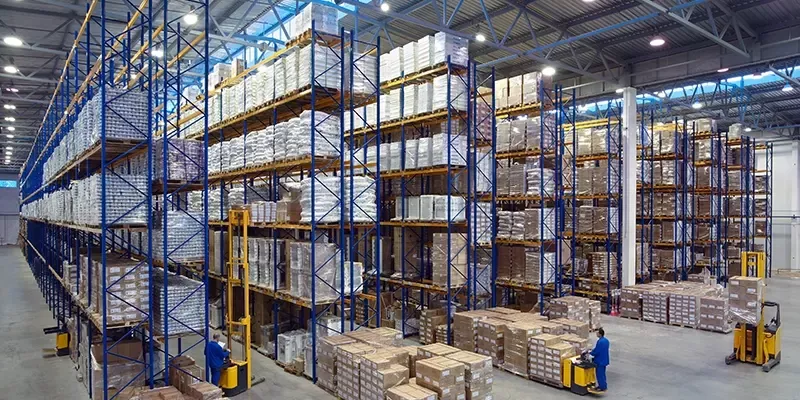
A private warehouse is a storage facility owned or leased exclusively by a single business. These warehouses are often used by large companies with consistent inventory needs and long-term operational plans. The advantages and disadvantages of private warehouse setups revolve around greater control and customization but also higher costs for infrastructure, labor, and maintenance. Companies that prioritize security and branding often prefer private warehousing.
Key Difference Between Public and Private Warehouse
The difference between Public and Private Warehouse is below:
|
Factor |
Public Warehouse |
Private Warehouse |
|
Ownership |
Owned and operated by third-party logistics providers (3PLs) |
Owned or leased exclusively by a single business |
|
Control |
Limited control over daily operations |
Full control over processes, layout, and management |
|
Cost Structure |
Low upfront investment; pay based on usage |
High initial investment; ongoing maintenance and staffing costs |
|
Flexibility |
Highly flexible, easy to scale space up or down |
Less flexible—designed for long-term, stable storage needs |
|
Ideal For |
Small businesses, seasonal inventory, or fluctuating demand |
Large enterprises with consistent, high-volume inventory |
|
Commitment Level |
Short-term or long-term rental options |
Long-term commitment and operational responsibility |
|
Customization |
Limited customization due to shared facility |
Fully customizable according to business requirements |
Advantages and Disadvantages of Public Warehouse
Understanding the advantages and disadvantages of public warehouse helps businesses make informed decisions:
Advantages
- Low capital investment
- Flexible storage space
- Professional handling by 3PL experts
- Ideal for seasonal or fluctuating inventory
- Reduced operational responsibilities
Disadvantages
- Limited control over daily operations
- Shared facility may affect customization
- Higher cost in the long run for large inventory volumes
Advantages and Disadvantages of Private Warehouse
A private warehouse offers a different set of advantages and limitations:
Advantages
- Complete control over warehouse operations
- Customizable layout and infrastructure
- Better security and product handling
- Cost-effective for large, consistent inventory
Disadvantages
- High initial investment
- Maintenance and staffing responsibility
- Less flexible during demand fluctuations
Conclusion
Understanding the difference between public and private warehouses is crucial for choosing the right storage strategy. Public warehouses offer flexibility and low investment, making them ideal for dynamic or small-scale operations. Private warehouses provide maximum control and customization, best suited for large businesses with stable inventory.
To identify the most efficient warehousing option for your business, consulting experts like Address Advisors ensure strategic guidance and customized industrial storage solutions tailored to your operational needs.
Frequently Asked Questions
A public warehouse is owned by a third-party provider and rented by multiple businesses, while a private warehouse is owned or leased exclusively by a single company.
The benefits of public warehousing includes low upfront costs, flexible space, reduced operational responsibilities, and expert handling by logistics professionals.
Private warehouses offer full control, customization, and better security but require high investment, staffing, and continuous maintenance.
Public warehouses are ideal for small businesses, companies with seasonal inventory, startups, or businesses expanding into new markets.
Yes, for businesses with large, stable inventory volumes, private warehouses can be more cost-effective over time due to exclusive use and reduced long-term rental costs.