The management of inventory has always been a delicate action: too much inventory ties up capital, whereas the absence of inventory can result in customers losing their. In the current business climate, which is fast-paced, businesses are increasingly using Just-in-Time (JIT) warehouses to overcome this issue. Instead of storing huge amounts of merchandise in storage facilities, JIT is focused on moving items across the chain of supply only as needed. This method is transforming storage from a necessity that is costly to a strategic benefit.
What Is Just-in-Time (JIT) Warehousing?
JIT warehousing can be described as a logistics method that allows goods to be stored for the least amount of time possible—or skip warehouses entirely—before being delivered to the customer or on the production line. Contrary to traditional strategies, which rely on storage in bulk, JIT aligns warehousing with the current demand and helps reduce the amount of inventory that is wasted and operational waste.
Key Benefits of JIT Warehousing
1. Lower Storage Costs
Businesses do not have to maintain or rent huge warehouses for stock that isn't being used. With JIT the inventory levels remain low, and businesses only pay for the space they regularly utilize.
2. Improved Supply Chain Efficiency
Through the rapid movement of products, JIT reduces bottlenecks and guarantees speedier turnaround times. Businesses can respond quicker to changes in market trends.
3. Reduced Risk of Obsolescence
Industries such as electronics, fashion, and FMCG are the ones that benefit most. Since stocks aren't sitting on the shelf, the possibility of acquiring expired or obsolete items is drastically reduced.
4. Enhanced Cash Flow
Capital doesn't have to be tied to inventory that isn't sold. Instead, companies can invest in marketing, talent, or even product development.
5. Greater Agility
It doesn't matter if it's seasonal demand or sudden market changes; JIT warehousing lets companies increase or decrease their inventory without any long-term commitments.
Challenges of JIT Warehousing
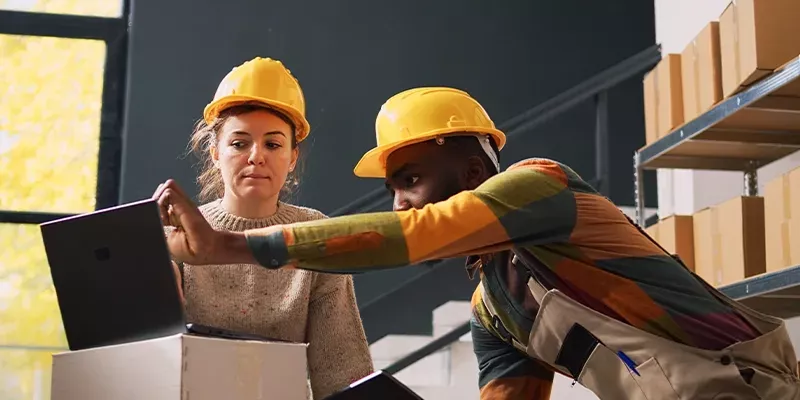
While JIT can be efficient, it isn't without risk:
- Supply disruptions to the chain of supply (strikes or global crises or delays) could cause shortages.
- A high degree of reliance on reliable logistics—one weak link could sabotage the entire system.
- A limited safety stock means that companies need to have robust prediction models.
Companies that adopt JIT must ensure efficiency while also incorporating contingency planning.
JIT Warehousing in India: The Big Picture
The logistics and warehousing industry in India is experiencing rapid change. Due to the rise of e-commerce, retail, and manufacturing, the demand for more efficient, faster warehouses is growing. JIT warehouses are becoming increasingly sought after in:
- E-commerce hubs such as Delhi-NCR, Bengaluru and Hyderabad.
- Supply chains for perishable goods (cold storage and FMCG, food delivery).
- Manufacturing of electronics and automotive components where lean inventory management is essential.
Aided by improved technology and infrastructure, 3PL suppliers, as well as the adoption of technology, JIT is expected to play an important role in shaping the future of India's warehousing.
The Role of Technology in JIT Warehousing
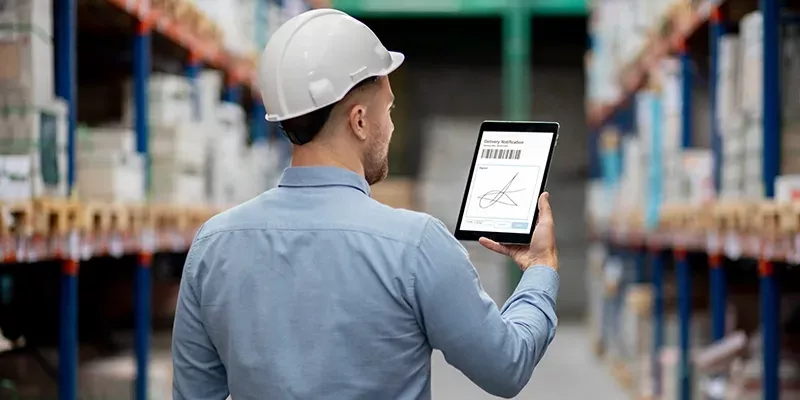
Technology is the basis of the most successful JIT models:
- RFID and IoT sensors Tracking the status of your goods in real time.
- Warehouse Management Systems (WMS) Improve packing, picking and dispatch.
- AI & Data Analytics: Improve the accuracy of forecasting demand.
- Automation and Robotics help speed the process of fulfilling orders while reducing human error.
Conclusion
JIT warehousing is more than a mere logistical trend. It's a major shift in how companies look at inventory. By reducing costs, improving efficiency, and enhancing agility, JIT is changing the strategy for supply chains of the future. But it requires solid logistics partners, smart technology, and robust contingency planning.
For companies in India seeking to remain competitive beyond 2025, JIT warehousing could be the difference between being lean and being late.