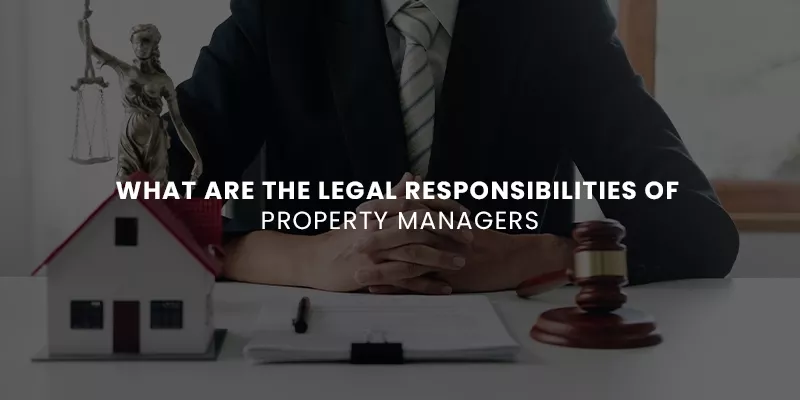
What Are the Legal Responsibilities of Property Managers?
Summary
Property managers bridge owners and tenants. Understanding property manager legal responsibilities is essential because non-compliance leads to penalties, lawsuits, and reputational damage. This guide covers fundamental legal requirements for property management and how to operate ethically and professionally.
Key Takeaways
- Property managers must follow fair housing, tenant protection, safety, and local property laws.
- Legal responsibilities include tenant screening, lease enforcement, maintenance, privacy, and deposit handling.
- Compliance checklists help property managers stay organized and avoid legal mistakes.
- Poor compliance can lead to fines, lawsuits, licence issues, and reputation damage.
- Strong documentation, staff training, audits, and legal updates support safer property management.
Property managers play a critical role in protecting property owners, serving tenants, and ensuring rental properties operate within the law. From fair housing compliance and lease enforcement to financial management and property maintenance, property managers must navigate a wide range of legal obligations. Understanding property manager legal responsibilities is essential for reducing risk, avoiding costly disputes, and maintaining professional standards. This guide explains the key legal requirements for property management, compliance best practices, and the responsibilities every property manager should understand.
What Legal Requirements for Property Management Must You Comply With?
Property managers must comply with federal fair housing laws, state regulations, local building codes, financial management standards, and tenant protection laws in all operations.
Key Federal Compliance Standards:
- Fair Housing Act (FHA): Prohibits discrimination based on race, color, religion, sex, national origin, disability, or familial status
- Americans with Disabilities Act (ADA): Requires reasonable accommodations for disabled individuals
- Civil Rights Act: Extends discrimination protections across housing activities
- Equal Credit Opportunity Act: Prevents discriminatory lending practices
- Lead-Based Paint Hazard Rule: Mandates disclosure for pre-1978 properties
State and local regulations often impose stricter standards than federal law. Property managers must understand:
- Security deposit limits and handling procedures
- Eviction notice requirements and timelines
- Habitability standards and maintenance obligations
- Rent control regulations
- Pet policies and service animal accommodations
- Mold remediation and hazardous material disclosure requirements
Understanding these legal requirements for property management is the property manager's responsibility. Ignorance provides no defense in legal disputes.
What Are Property Manager Legal Responsibilities in Tenant Relations?

Property managers are legally responsible for fair tenant selection, proper lease enforcement, timely repairs, habitability, privacy, and lawful communication. They must avoid discrimination, give proper notice before entering the property, manage deposits correctly, address complaints professionally, and follow rental laws throughout the tenancy.
Tenant Selection and Fair Housing Compliance:
Fair housing compliance begins at the application stage. Property managers must:
- Apply screening criteria uniformly without bias
- Use consistent credit and background review standards
- Document rejection decisions with legitimate reasons
- Provide reasonable accommodations for disabled applicants
- Comply with service animal protections
Discrimination claims often arise from inconsistent tenant selection. A property manager cannot approve one applicant with poor credit while rejecting another for identical reasons based on protected characteristics.
Lease Enforcement and Legal Responsibilities:
Property managers bear legal responsibilities in lease enforcement by:
- Providing written leases complying with state and local regulations
- Ensuring all lease terms are legal and enforceable
- Addressing maintenance requests promptly
- Respecting tenant privacy with proper entry notice (typically 24-48 hours)
- Following proper eviction procedures for lease violations
- Maintaining records of tenant interactions and disputes
- Processing security deposits within legal timeframes
Maintenance and Habitability Obligations:
Property managers have legal duties to maintain habitable conditions throughout all managed properties:
- Responding promptly to all maintenance requests submitted by tenants
- Maintaining fully functional utilities and systems at all times
- Ensuring adequate lighting throughout common areas and exterior spaces
- Addressing pest infestations and control issues immediately
- Maintaining safe pathways, railings, and structural elements
- Thoroughly documenting all maintenance requests and repair completion
Failing to maintain habitability standards exposes property owners to serious constructive eviction claims, breach of warranty claims, tenant compensation demands, or personal injury lawsuits with significant financial consequences.
What Does Property Management Compliance Include?
Property management compliance includes following fair housing regulations, maintaining accurate financial records, complying with health and safety requirements, protecting tenant rights, handling security deposits correctly, and meeting local licensing and reporting obligations. It also involves proper documentation, lease administration, record retention, and adherence to all applicable property management and tenancy laws.
Professional property management services often use structured compliance processes and documentation systems to ensure these requirements are met consistently across managed properties.
Financial Compliance for Property Managers:
- Security Deposit Management: Hold deposits in separate accounts with itemized returns within legal timeframes
- Rent Collection: Maintain accurate payment records with consistent late fee enforcement
- Property Tax and Insurance: Ensure current insurance coverage and tax payments
- Accounting: Maintain separate accounts per property with detailed transaction records
Anti-Discrimination and Fair Housing:
Property management compliance requires vigilance against fair housing violations:
- Conduct regular staff training on fair housing laws
- Implement documented procedures for tenant selection and lease enforcement
- Conduct mystery shopper programs for fair housing audits
- Respond immediately to discrimination complaints
- Provide accessible communication for disabled tenants
Safety and Code Compliance:
- Conduct regular property inspections
- Remediate hazards immediately
- Handle hazardous materials properly (lead, asbestos, mold)
- Maintain required fire safety equipment
- Ensure proper occupancy limits
Record-Keeping Requirements:
Documentation protects both property managers and owners:
- Application files for all candidates
- Lease agreements and modifications
- Maintenance request logs with completion dates
- Financial records and transaction documentation
- Tenant communication records
- Fair housing training certificates
- Insurance policies and coverage documentation
What Is a Property Management Compliance Checklist?
A property management compliance checklist is a structured document that helps property managers track and meet legal, financial, operational, and safety requirements. It typically covers fair housing compliance, lease documentation, rent collection procedures, maintenance standards, record keeping, tenant communication, inspections, and regulatory reporting to ensure all management activities comply with applicable laws and industry standards.
For a more detailed breakdown of day-to-day tasks and operational requirements, property managers can refer to a comprehensive property management checklist for residential homes.
Essential Property Management Compliance Checklist Items:
Fair Housing and Non-Discrimination:
- Documented fair housing policy in place
- Staff completed fair housing training
- Uniform tenant selection criteria applied
- Reasonable accommodation procedures established
- Service animal policies compliant with law
- Screening decisions documented
- Complaint procedures posted and monitored
Financial Management Compliance:
- Separate accounts for each property
- Security deposits in dedicated accounts
- Transactions recorded with documentation
- Annual reconciliation maintained
- Security deposit returns processed on schedule
- Property tax and insurance current
- Monthly financial reports to owners
Maintenance, Safety, and Property Inspection:
- Maintenance request system monitored
- Response time standards tracked
- Regular property inspections scheduled
- Code violations documented and remedied
- Emergency procedures posted
- Fire safety equipment certified
- Hazardous material handling documented
Tenant Management Documentation:
- Move-in/move-out inspections completed
- Lease compliance enforced consistently
- Rent collection procedures documented
- Eviction procedures comply with state law
- Tenant communication records maintained
- Complaint resolution documented
Critical Record-Keeping:
- Tenant files contain required documents
- Screening documents retained per law
- Maintenance records organized and accessible
- Financial documents retained appropriately
- Compliance training certificates filed
- Licenses and certifications current
What Should Be Included in a Lease Compliance Checklist for Property Management?
A lease compliance checklist should include verification of legally required disclosures, tenant and landlord details, lease terms, rent and deposit provisions, maintenance responsibilities, fair housing compliance, notice requirements, and property-specific rules. It should also confirm that the agreement complies with applicable local laws, contains all mandatory clauses, and has been properly signed and executed by all parties.
Pre-Lease Compliance Items:
- Verify property occupancy permits and zoning compliance
- Prepare lead-based paint disclosures (pre-1978 properties)
- Confirm habitability standards compliance
- Verify fair housing policy implementation
- Confirm security deposit limits compliance
- Review lease language for current legal requirements
Lease Terms and Compliance Requirements:
- All lease terms are legal and enforceable
- Rent complies with rent control ordinances
- Late fees comply with state limits
- Entry notice requirements specified (24-48 hours)
- Maintenance responsibilities clearly defined
- Pet policies comply with service animal laws
- Reasonable accommodation clause included
- Dispute resolution procedures outlined
Required Disclosures:
- Lead-based paint hazard disclosure
- Mold risk and remediation procedures
- Radon disclosure (applicable states)
- Pest infestation history
- Environmental hazards or nearby facilities
- Property management contact and emergency procedures
Execution and Documentation:
- All parties sign and date the lease
- Each party receives signed copy
- Effective date clearly specified
- All lease modifications documented in writing
- Compliance verification recorded in tenant file
How Do You Implement Effective Property Management Compliance?
Property management compliance is essential because property managers must follow various laws related to tenancy, fair housing, safety standards, financial reporting, security deposits, and lease administration. Failure to comply can result in fines, legal disputes, regulatory action, reputational damage, and even the loss of professional licences. A strong compliance framework helps reduce these risks while ensuring that properties are managed ethically and professionally.
Conclusion
Understanding property manager legal responsibilities is fundamental to professional success. Property managers must navigate complex legal requirements while maintaining fair, ethical, and transparent practices. Comprehensive property management compliance checklists help ensure consistent adherence to fair housing regulations, financial standards, safety requirements, lease obligations, and other applicable laws.
The consequences of non-compliance, including fines, lawsuits, licence suspension, and reputational damage, make compliance a critical business priority. By implementing clear procedures, providing staff training, maintaining accurate records, and seeking professional legal guidance when needed, property managers can protect owners, serve tenants fairly, and build a strong foundation for long-term business success. Property owners looking to reduce operational burdens may also consider outsourced property management services to improve compliance and day-to-day management efficiency.
 Address Advisors
Discover all our blogs covering real estate insights, market trends, workspace strategies, and industry updates. Explore expert perspectives and valuable information designed to help you make informed property decisions.
Frequently Asked Questions
A property manager is responsible for complying with housing laws, managing tenant relations, enforcing lease terms, handling security deposits, maintaining habitable conditions, and ensuring fair and non-discriminatory property management practices.
Property management compliance helps prevent legal disputes, financial penalties, licence issues, and reputational damage. It also protects property owners, ensures tenant rights are respected, and supports professional property operations.
Property managers must comply with fair housing laws, tenant protection regulations, local building and safety codes, lease requirements, security deposit rules, and other state or local property management regulations.
A property management compliance checklist typically covers fair housing requirements, lease documentation, tenant screening, rent collection procedures, maintenance standards, safety inspections, financial records, and regulatory reporting obligations.
Property managers can avoid fair housing violations by applying consistent tenant screening criteria, documenting decisions, providing reasonable accommodations when required, and ensuring all staff receive regular fair housing training.