North vs South Bangalore: Which Is Better in 2026?

Summary
North Bangalore wins on growth potential, South Bangalore wins on livability. North is the airport-driven growth corridor, better suited to investors chasing capital appreciation over a 5–10 year horizon. South is Bangalore's most mature residential zone, better suited to families who want infrastructure already in place rather than promised for later.
Key Takeaways
- North Bangalore offers stronger long-term growth and investment potential.
- South Bangalore excels in connectivity, infrastructure, and livability.
- North suits investors, while South is ideal for families and end-users.
- Choose North for appreciation or South for convenience and stability.
- North Bangalore has more upcoming residential projects and township developments.
- South Bangalore offers stronger rental demand and better social infrastructure.
Choosing between North Bangalore and South Bangalore has become one of the biggest decisions for homebuyers and property investors in 2026. While North Bangalore is transforming into the city's fastest-growing investment corridor with airport-led infrastructure and large-scale residential developments, South Bangalore continues to attract buyers with its established neighbourhoods, excellent social infrastructure, and stable rental demand.
This detailed comparison covers connectivity, infrastructure, property prices, rental demand, social amenities, upcoming residential projects, and investment potential to help you decide between Bangalore north or south. If you're looking for a broader understanding of the city's property market, you can also explore our Bangalore real estate guide before choosing the region that best suits your needs.
Overview of North and South Bangalore Real Estate
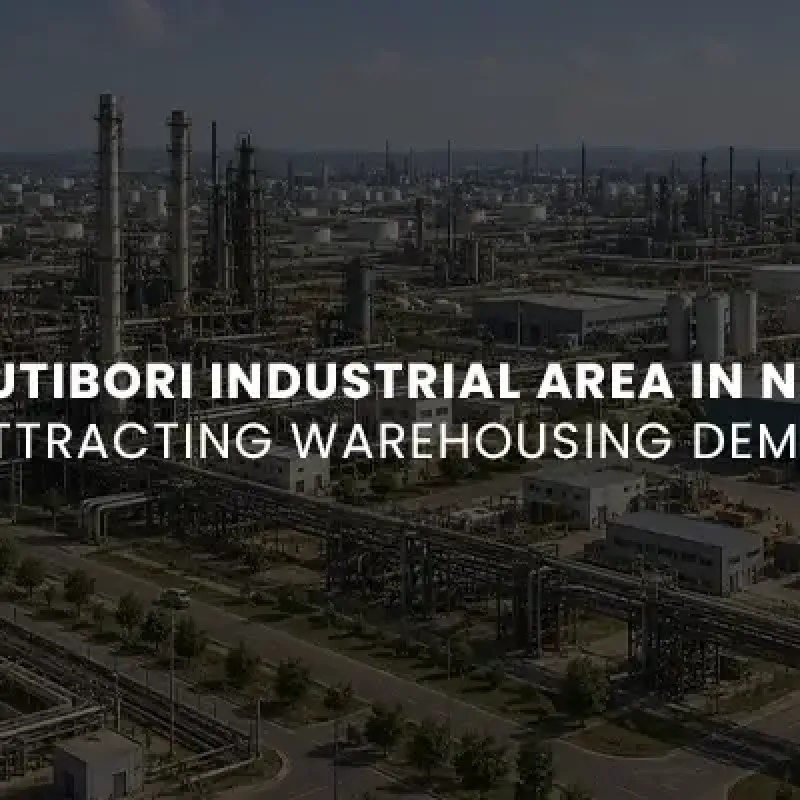
North Bangalore has emerged as the city's primary growth corridor over the last decade. Its real estate growth is largely driven by Kempegowda International Airport, making proximity to the airport a key factor for buyers and investors. Hebbal, Yelahanka, Devanahalli, Thanisandra, and Hennur are among the region's leading real estate destinations, supported by aerospace parks, IT hubs, and large-scale plotted developments. To understand the factors behind this rapid transformation, explore our guide on the North Bangalore real estate boom.
South Bangalore is the city's oldest and most established residential belt. Jayanagar, JP Nagar, Banashankari, Kanakapura Road, and Electronic City make up its core, built around decades of IT employment, education, and healthcare rather than future infrastructure promises. This is why north Bangalore vs south Bangalore remains the most-searched comparison in the city - buyers are essentially choosing between growth and stability.
Quick Comparison: North Bangalore vs South Bangalore

|
Factor |
North Bangalore |
South Bangalore |
|
Growth driver |
Airport, aerospace & IT parks |
Established IT belt, education, healthcare |
|
Development stage |
Under construction, plotted growth |
Fully built out |
|
Price trend |
Rising fast off a lower base |
Higher base, steadier growth |
|
Infrastructure |
Catching up |
Dense and mature |
|
Rental demand |
Growing |
Strong and stable |
|
Best suited for |
Long-term investors, NRIs |
Families, end-users |
Connectivity: North Bangalore vs South Bangalore
North Bangalore:
North Bangalore's connectivity is centered around major highways and upcoming infrastructure projects, making it one of the city's fastest-growing regions. While airport access is a major advantage, peak-hour congestion around Hebbal remains a challenge until planned road and metro projects are completed.
- Bellary Road (NH44) is the primary arterial road, providing direct access to Kempegowda International Airport and Central Bangalore.
- Hebbal Junction is a major interchange but experiences significant traffic congestion during peak hours.
- The Outer Ring Road (ORR) connects North Bangalore to major IT corridors in East and South Bangalore.
- The Blue Line Metro (under construction) will provide direct connectivity to Kempegowda International Airport, significantly improving commuting and boosting real estate demand across North Bangalore.
- Future projects such as the Satellite Town Ring Road (STRR) and Bengaluru Business Corridor (formerly Peripheral Ring Road) are expected to reduce congestion and improve regional connectivity.
South Bangalore :
South Bangalore has a well-established and diversified transport network supported by multiple metro lines, arterial roads, and an extensive public bus system. Its mature infrastructure provides residents with more commuting options than most developing parts of North Bangalore.
- The Green Line Metro serves Banashankari, JP Nagar, Yelachenahalli, and Silk Institute.
- The Purple Line Metro connects Mysore Road, the city centre, and Indiranagar.
- The Yellow Line improves connectivity around the Central Silk Board, while the upcoming Pink Line will extend metro access along Bannerghatta Road.
- NICE Road offers an efficient bypass for cross-city travel, a connectivity advantage not currently available in North Bangalore.
- The BMTC bus network is denser and more comprehensive than in many newer North Bangalore layouts.
Peak-hour travel between North and South Bangalore typically takes 60–90 minutes, as there is currently no direct high-speed transport corridor connecting the two regions.
Infrastructure Development Across North and South Bangalore
North Bangalore: North Bangalore's civic infrastructure - roads, drainage, water supply - is still catching up to its residential growth. Newer layouts around Thanisandra and Hennur Road are functional but not yet fully built out, while established pockets like Hebbal and Yelahanka have more reliable civic systems already in place.
South Bangalore: South Bangalore's infrastructure has had decades to mature. Roads, drainage, and utility networks in Jayanagar, JP Nagar, and Banashankari were planned early and have been refined over time, which is one reason resale demand here stays consistent.
Property Prices in North Bangalore vs South Bangalore
North Bangalore: Apartments in North Bangalore are concentrated in Hebbal, Thanisandra, and Yelahanka, mostly new-launch stock built in the last 2–5 years. Plotted developments are also common here, appealing to investors who want land rather than built-up flats.
South Bangalore: Apartments in South Bangalore split between legacy resale stock in Jayanagar and JP Nagar and newer supply in Kanakapura Road and Electronic City. Price spreads can vary by decades of construction age within the same pincode, and resale here tends to move faster since buyers can inspect real infrastructure rather than brochures.
|
Segment |
North Bangalore (Approx) |
South Bangalore (Approx) |
|
Apartment Price (₹/sq ft) |
₹8,000 – ₹17,000/sq ft |
₹9,000 – ₹14,500/sq ft |
|
Plot Price (₹/sq ft) |
₹7,000 – ₹12,000/sq ft |
₹7,500 – ₹16,000/sq ft |
Rental Market in North Bangalore and South Bangalore
North Bangalore: Rental demand in North Bangalore is driven mainly by Manyata Tech Park employees and, increasingly, airport-linked business travel around Hebbal and Devanahalli. Yields here are improving but still trail South Bangalore's tenant stability.
South Bangalore: Rental demand in South Bangalore is stronger and steadier, anchored by Electronic City, JP Nagar, and Bannerghatta Road. IT professionals and families both drive consistent tenant turnover, which keeps rents more predictable year to year.
|
Segment |
North Bangalore (Approx.) |
South Bangalore (Approx.) |
|
2 BHK Rent / Month |
₹55,000 – ₹65,000/month |
₹35,000 – ₹45,000/month |
|
3 BHK Rent / Month |
₹75,000 – ₹2 lakh/month |
₹65,000 – ₹90,000/month |
Social Infrastructure in North and South Bangalore
North Bangalore
North Bangalore's social infrastructure is strongest in established localities such as Yelahanka and Hebbal, where residents have access to reputed schools and multi-speciality hospitals. However, as you move towards Devanahalli and surrounding developing areas, educational and healthcare facilities become less frequent.
- Schools and hospitals are primarily concentrated in Yelahanka and Hebbal.
- Notable schools include Vidyaniketan Public School(Hebbal), Mallya Aditi International School (Yelahanka) and Ryan International School.
- Major hospitals include Aster CMI Hospital and Manipal Hospital in Hebbal.
- Infrastructure becomes comparatively sparse towards Devanahalli, with fewer established schools and hospitals.
South Bangalore
South Bangalore offers the most mature social infrastructure in the city, with a high concentration of reputed educational institutions and healthcare facilities. Established neighbourhoods provide residents with multiple quality options for both schooling and medical care.
- Buyers looking for schools in south bangalore have access to reputed institutions such as National Public School (NPS), The Brigade School, Sri Kumaran Children's Home, and Delhi Public School South.
- These institutions are concentrated around Jayanagar and Bannerghatta Road.
- Major hospitals include Fortis Hospital (Bannerghatta Road), Apollo Hospital (Jayanagar), and Sagar Hospitals.
- Multiple hospitals across the region ensure excellent healthcare accessibility and redundancy compared to newer parts of the city.
Ongoing Residential Projects: North Bangalore vs South Bangalore
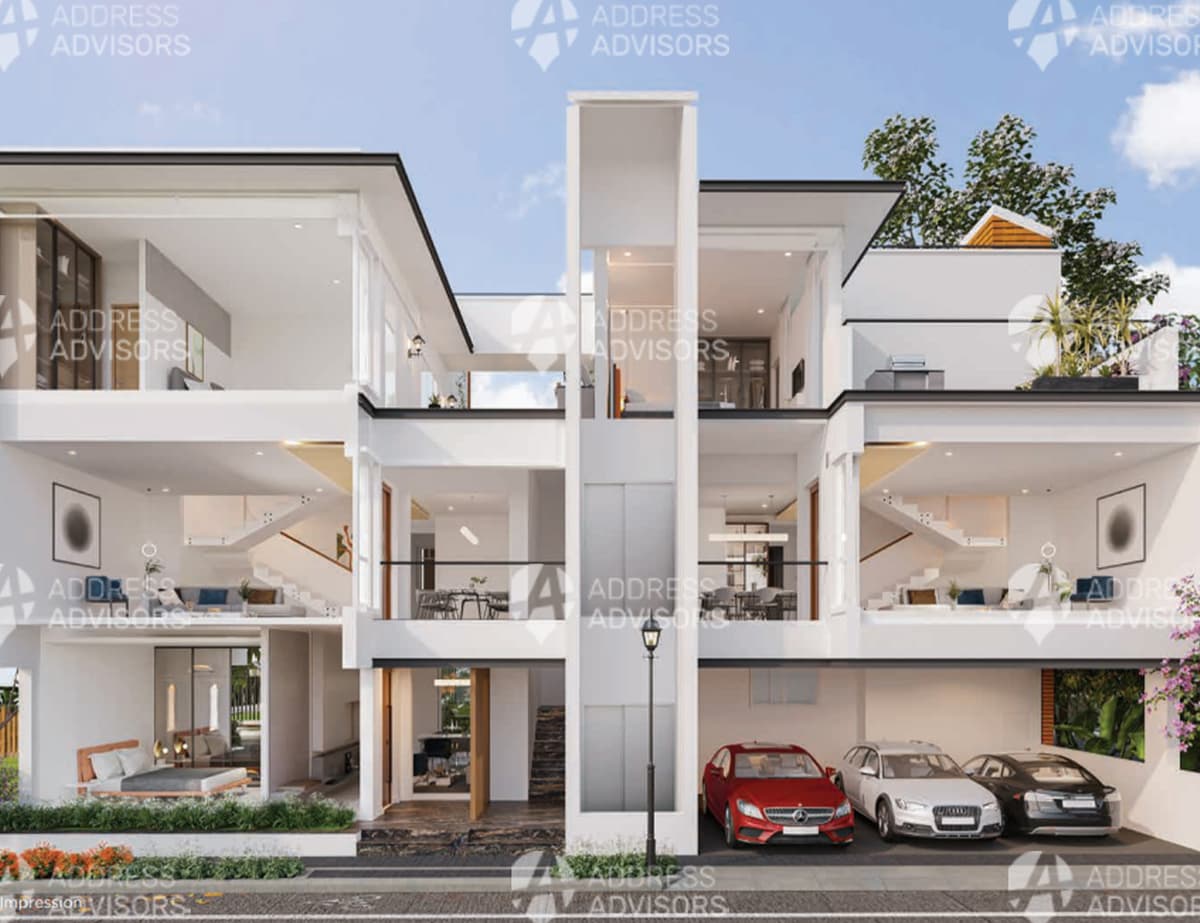
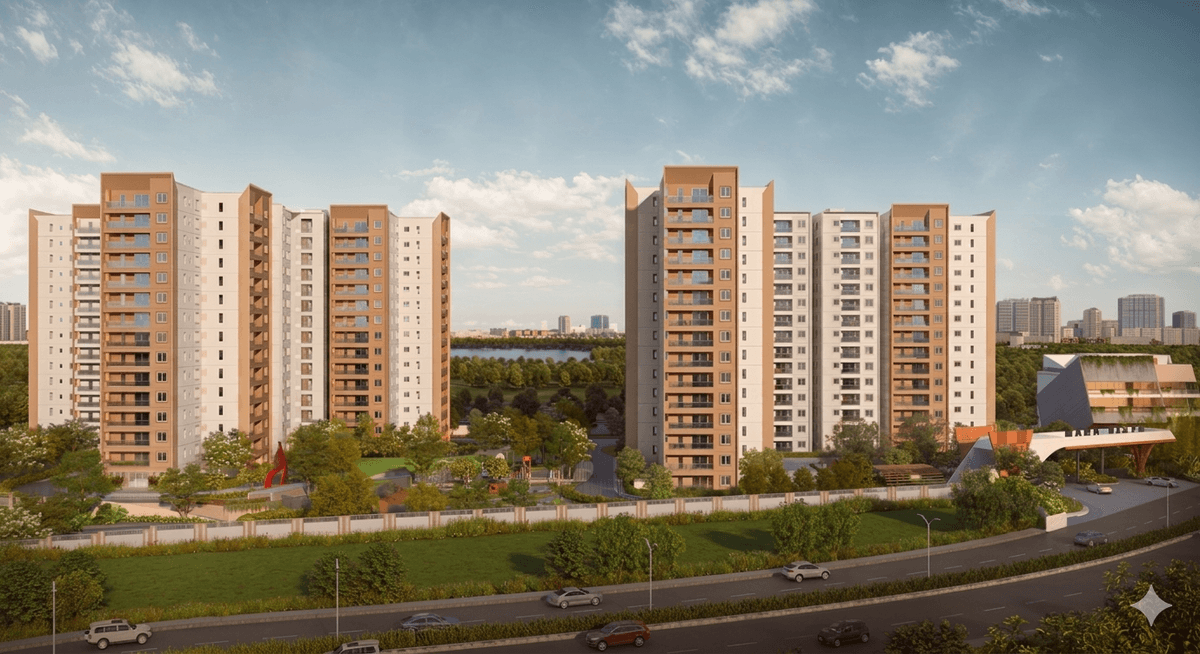
North Bangalore: North Bangalore is seeing a wave of new residential launches concentrated around Devanahalli, Yelahanka, and Thanisandra, largely from developers building integrated townships and plotted communities aimed at long-term investors and NRIs.
Devanahalli in particular is attracting large-format projects designed around airport-linked employment and hospitality demand, while Thanisandra and Hebbal continue to see high-rise launches aimed at Manyata Tech Park professionals.
|
Project |
Location |
Starting Price* |
Configuration |
RERA Registered |
Possession |
|
Brigade Insignia |
Yelahanka |
₹4 Cr onwards |
3, 4 & 5 BHK |
Yes |
June 2029 |
|
Purva Northern Lights |
Bagalur |
₹1.3 Cr onwards |
2, 3 & 4 BHK |
Yes |
Phase 1: 2029 |
|
Prestige Park Street |
Devanahalli |
₹85 Lakhs onwards |
1, 2 & 3 BHK |
RERA Approval Pending |
Expected October 31, 2030 |
Other North Bangalore Properties
 15 Acres
 3 BHK
3 BHK 2.09 Cr Onwards

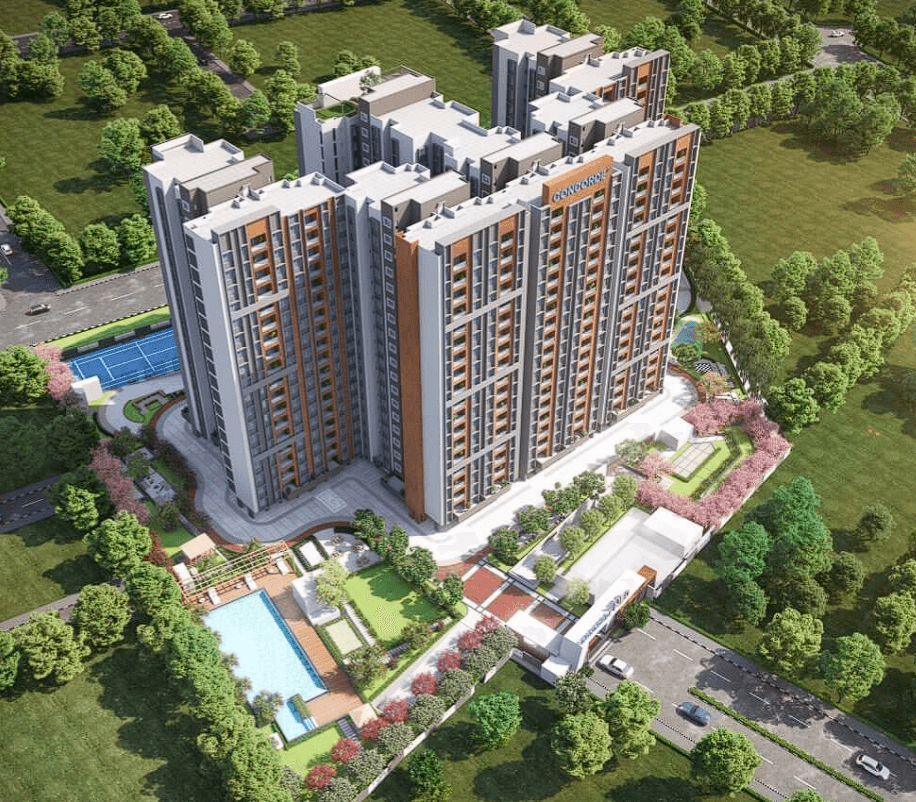
South Bangalore: South Bangalore's new launches are smaller in number but concentrated in pockets still catching up with the rest of the zone, mainly Kanakapura Road and Electronic City.
Established areas like Jayanagar and JP Nagar see far fewer new projects since most land is already built out, so new supply there tends to come from redevelopment rather than greenfield launches.
|
Project |
Location |
Starting Price* |
Configuration |
RERA Registered |
Possession |
|
Off Bannerghatta Road |
₹1.79 Cr onwards |
3 BHK |
Yes |
October 2031 |
|
|
Prestige Southern Star |
Begur Road |
₹2.06 Cr onwards |
3, 3.5 & 4 BHK |
Yes |
December 2029 |
|
Sobha Magnus |
Bannerghatta Road |
₹3.20 Cr onwards |
3 & 4 BHK |
Yes |
2028 |
Other South Bangalore Properties
Good Areas to Buy in North Bangalore and South Bangalore
North Bangalore: In North Bangalore, Hebbal and Thanisandra suit buyers who want IT-park proximity and immediate rental potential. Yelahanka offers the best mix of schools and connectivity in the zone. Devanahalli suits long-horizon investors betting on airport-linked growth.
Buyers exploring this region can also refer to our guide on the best residential areas in North Bangalore to compare localities based on connectivity, lifestyle, pricing, and investment potential.
South Bangalore: In South Bangalore, Jayanagar and JP Nagar suit end-users who want established infrastructure and low-density living. Electronic City suits IT professionals wanting rental yield. Kanakapura Road is the one South Bangalore pocket that behaves like North Bangalore - newer supply, metro-linked, still appreciating off a lower base.
Places to Visit in North Bangalore
North Bangalore's leisure appeal is tied to open land and airport-era development. Nandi Hills remains the region's signature weekend getaway, reachable in under an hour from Yelahanka. The Bangalore International Exhibition Centre (BIEC) near Madavara hosts the city's major trade shows, while Hebbal Lake offers a walking and jogging space that predates most of the surrounding high-rises. Devanahalli Fort, a 16th-century structure, is a reminder the region existed long before the airport did.
Conclusion
There is no single winner when comparing North Bangalore vs South Bangalore-it ultimately depends on your goals. If you're looking for long-term capital appreciation, upcoming infrastructure, and new residential developments, North Bangalore offers significant growth potential. On the other hand, if you prefer established neighbourhoods, excellent connectivity, strong social infrastructure, and stable rental demand, South Bangalore remains the better choice for end-users and families.
Before making a decision, consider your budget, investment horizon, lifestyle preferences, and proximity to your workplace. By evaluating these factors alongside the strengths of each region, you can choose the location that best aligns with your home-buying or investment objectives.
 Satish Kumar
Satish Kumar has 5 years of experience in the real estate industry, with expertise in primary residential properties across Bangalore. He helps homebuyers understand project quality, location advantages, developer credibility, pricing, configurations, and long-term value...
Frequently Asked Questions
North Bangalore offers stronger long-term appreciation because it's still pricing in future airport-linked infrastructure. South Bangalore offers steadier, lower-risk rental returns because that infrastructure already exists.
South Bangalore, overall - its metro lines, NICE Road, and bus network are more established, though North Bangalore's airport corridor and upcoming Blue Line are catching up fast.
South Bangalore, by a clear margin - its school and hospital density outside North Bangalore's Yelahanka-Hebbal belt is still unmatched.
North Bangalore currently sees more new launches, concentrated around Devanahalli, Yelahanka, and Thanisandra, while South Bangalore's new supply is limited mostly to Kanakapura Road and Electronic City.
Yes, during peak hours - expect 60–90 minutes via Bellary Road or ORR, since no direct high-speed corridor connects the two zones yet.