Grade A and Grade B Warehouse: Understanding the Differences and Benefits
Grade A and Grade B warehouses serve different business needs based on infrastructure quality budget and operational complexity. Grade A warehouses are modern compliant and designed for high efficiency automation and scalability making them ideal for ecommerce FMCG and large logistics operations. Grade B warehouses offer affordable flexible storage suitable for small and medium enterprises seasonal needs and cost focused operations. Understanding the difference between Grade A and Grade B warehouse facilities helps businesses align warehousing choices with supply chain goals. Address Advisors supports companies in selecting and securing the most suitable warehouse solutions through expert market insights and end to end advisory services.
Warehousing plays a critical role in modern supply chains, supporting storage, distribution, and fulfillment across industries. As businesses become more organized and efficiency-driven, understanding the difference between Grade A and Grade B warehouse facilities has become essential. Each category serves different operational needs, budgets, and business goals. Knowing the key features, advantages, and limitations can help companies choose the right warehousing solution.
What Is a Grade A Warehouse?
A Grade A warehouse is a modern, purpose-built facility developed to meet global standards. These warehouses are designed for high-volume operations, automation readiness, and long-term scalability. They typically offer higher clear heights, stronger floor load capacity, efficient layouts, and advanced safety systems.
Grade A warehouses are commonly located in established logistics parks with excellent highway access and proximity to major consumption or manufacturing hubs. They comply with regulatory norms and are ideal for businesses that prioritize speed, efficiency, and compliance.
What Is a Grade B Warehouse?
A Grade B warehouse is usually an upgraded or semi-modern facility that offers functional storage solutions at a lower cost. While not as advanced as Grade A facilities, Grade B warehouses still meet basic operational requirements for many businesses. These warehouses may have moderate clear heights, standard flooring, and limited automation capabilities.
Grade B warehouses are often located slightly away from prime logistics corridors but still provide reasonable connectivity. They are commonly used by small and mid-sized enterprises that need practical warehousing without high rental commitments.
Difference Between Grade A and Grade B Warehouse
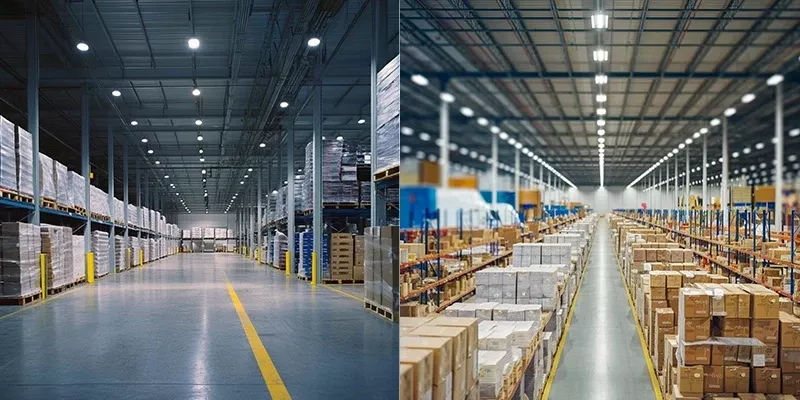
Understanding the difference between Grade A and Grade B warehouse facilities helps businesses align their logistics strategy with operational needs:
- Infrastructure and Design: Grade A warehouses feature modern design, larger column spacing, and higher ceilings, while Grade B warehouses have simpler structures and layouts.
- Technology and Automation: Grade A facilities support automation, racking systems, and advanced material handling. Grade B warehouses are more manual in nature.
- Safety and Compliance: Grade A warehouses include advanced fire safety systems and regulatory compliance, whereas Grade B facilities may have basic safety measures.
- Location and Accessibility: Grade A warehouses are typically located in prime logistics zones, while Grade B warehouses are often in secondary locations.
- Cost: Grade B warehouses are more affordable, making them suitable for cost-sensitive operations.
Benefits of Grade A Warehouse
The benefits of Grade A warehouse facilities make them a preferred choice for large-scale and fast-growing businesses:
- High operational efficiency due to optimized layouts
- Faster movement of goods and reduced turnaround time
- Better safety standards and compliance with regulations
- Scalability for future business expansion
- Lower long-term operational costs despite higher initial rentals
- Enhanced brand credibility for e-commerce and multinational companies
Grade A warehouses are ideal for e-commerce players, FMCG companies, third-party logistics providers, and businesses with complex supply chain requirements.
Benefits of Grade B Warehouse
The benefits of Grade B warehouse facilities lie in their affordability and flexibility:
- Lower rental costs compared to Grade A facilities
- Suitable for small and medium enterprises
- Practical storage for non-sensitive or low-turnover goods
- Easier availability in multiple locations
- Ideal for seasonal or short-term storage needs
Grade B warehouses work well for businesses that do not require advanced automation or premium infrastructure but still need reliable storage space.
Choosing Between Grade A and Grade B Warehouse
Selecting between a Grade A and Grade B warehouse depends on several factors, including business size, product type, budget, and supply chain complexity. Companies handling high-value, fast-moving, or time-sensitive goods often benefit from Grade A warehouses. In contrast, businesses focused on cost efficiency or basic storage requirements may find Grade B warehouses more suitable.
As logistics networks evolve, some companies adopt a hybrid strategy by using Grade A warehouses for primary distribution and Grade B warehouses for secondary storage or regional distribution.
Future Outlook of Warehousing Standards
With the growth of e-commerce, manufacturing, and organized retail, demand for Grade A warehouses is expected to rise steadily. However, Grade B warehouses will continue to play an important role in supporting diverse business needs, especially in emerging markets and secondary locations.
Conclusion
Choosing the right warehouse requires in-depth market knowledge, cost analysis, and operational understanding. Address Advisors assists businesses in identifying the most suitable Grade A and Grade B warehouse options based on location, budget, and business requirements. From site shortlisting and market insights to negotiations and deal closure, Address Advisors provides end-to-end support to help companies optimize their warehousing strategy and achieve long-term operational efficiency.
Frequently Asked Questions
The main difference lies in infrastructure technology compliance location and cost with Grade A offering advanced features and Grade B providing basic functional storage.
Ecommerce FMCG third party logistics and businesses with high volume fast moving or time sensitive goods benefit most from Grade A warehouses.
Small and medium enterprises cost sensitive businesses and companies needing basic or short term storage often prefer Grade B warehouses.
Most Grade B warehouses meet essential safety norms but may not have advanced fire protection or compliance systems found in Grade A facilities.
Grade A warehouses are usually in prime logistics parks near highways while Grade B warehouses are in secondary or older industrial areas.