Chemical Storage Warehouse Requirements: Essential Safety Guidelines
Chemical storage warehouses must follow strict safety, compliance, and handling standards to prevent leaks, fires, and hazardous reactions. Key requirements include proper ventilation, temperature control, chemical segregation, fire protection, spill containment, and trained staff. Warehouses must comply with CPCB and State Pollution Control Board regulations, follow fire safety norms, and maintain emergency response systems. These guidelines ensure worker safety, environmental protection, and efficient chemical handling.
Storing chemicals requires far more than shelving space, it demands strict compliance, advanced safety infrastructure, and well-defined handling protocols. Whether a warehouse handles flammable liquids, corrosives, toxic materials, or industrial solvents, following the right chemical storage requirements is critical to preventing accidents, contamination, or fires.
In India, chemical warehouses must follow safety norms issued by authorities such as the Central Pollution Control Board, local fire departments, industrial development agencies, and hazardous material (HazMat) guidelines. This blog outlines the essential chemical storage warehouse requirements, a practical safety checklist, and key compliance measures businesses must meet.
What Is a Chemical Storage Warehouse?
A chemical storage warehouse is a specialized facility designed to safely store hazardous and non-hazardous chemicals under controlled conditions. These warehouses include engineered safety systems to protect:
- Workers
- Inventory
- Surrounding environment
- Property and assets
They follow strict guidelines regarding temperature control, ventilation, fire protection, segregation, spill management, and emergency response.
Essential Chemical Storage Warehouse Requirements
Below are the key infrastructure and operational standards every chemical warehouse must meet.
a. Proper Ventilation & Exhaust Systems
Effective ventilation prevents the buildup of harmful fumes and vapors.
Requirements include:
- Mechanical exhaust systems
- Cross-ventilation for flammable chemicals
- Air quality monitoring sensors
- Fume extraction hoods in handling zones
b. Temperature & Humidity Control
Many chemicals are sensitive to heat, cold, and moisture. Warehouses should include:
- HVAC-controlled rooms
- Temperature-regulated storage zones
- Humidity monitoring devices
This prevents reactions, condensation, and degradation.
c. Segregation of Chemicals
To prevent hazardous reactions, chemicals must be stored separately based on compatibility:
- Flammables
- Oxidizers
- Acids & bases
- Toxic materials
- Reactive chemicals
Use color-coded racks, barriers, and separate rooms when required.
d. Fire Safety & Explosion-Proof Systems
A chemical warehouse must have:
- Automatic sprinkler systems
- Fire-rated walls and enclosures
- Explosion-proof lighting and electricals
- Fire extinguishers (Class B, C, D as needed)
- Heat, smoke, and gas detectors
- Emergency ventilation controls
e. Spill Containment & Neutralization Systems
To prevent environmental contamination:
- Spill containment pallets
- Bund walls (containment dikes)
- Chemical-resistant flooring
- On-site spill kits
- Proper wastewater drainage systems
f. Material Handling & Storage Equipment
Only chemical-grade equipment should be used:
- Corrosion-resistant racks
- Anti-static forklifts
- Safety cabinets for flammables
- Sealed containers and drums
g. Trained Personnel & SOPs
Employees must be trained in:
- Handling hazardous materials
- Understanding chemical labels (GHS norms)
- PPE use
- Emergency response
- First-aid procedures
- Spill control and firefighting basics
Chemical Warehouse Safety Checklist
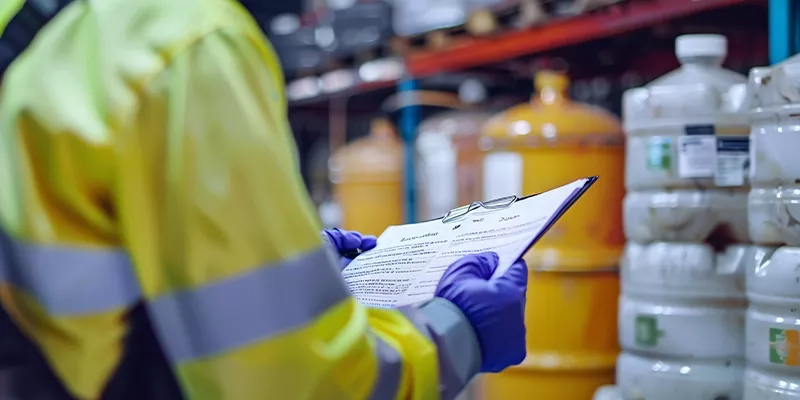
Here is a quick safety checklist for any chemical storage facility:
1. Infrastructure Checklist
- Ventilation system operational
- Temperature control functioning
- Segregation zones clearly marked
- Fire detection & suppression system tested
- Spill containment equipment installed
2. Operational Checklist
- SDS (Safety Data Sheets) available
- Proper chemical labeling
- Inventory updated in WMS
- PPE mandatory for staff
- Regular safety audits
3. Emergency Checklist
- Fire exit signs & routes visible
- First-aid kits stocked
- Spill kits accessible
- Emergency drills conducted
Compliance Requirements for Chemical Storage
Chemical warehouses in India must comply with:
- CPCB guidelines
- State Pollution Control Board approvals
- Fire Department NOC
- Explosive & Hazardous Material Handling Laws
- National Building Code (NBC)
- OSHA-equivalent safety standards
Failure to comply may result in penalties, shutdowns, or environmental risks.
Conclusion
A chemical storage warehouse requires robust planning, specialized infrastructure, and strict adherence to safety protocols. From ventilation and fire protection to chemical segregation and compliance, every detail matters in preventing risks and ensuring operational efficiency. Businesses that invest in proper chemical warehousing not only protect their workforce and inventory but also maintain regulatory compliance and long-term sustainability.
If you're looking for a warehouse that meets chemical storage regulations and safety standards, Address Advisors can help you find secure, compliant, and industry-approved facilities tailored to your operational needs.
Frequently Asked Questions
A facility designed to safely store hazardous and non-hazardous chemicals under controlled conditions.
It prevents incompatible chemicals from reacting and causing fires, fumes, or explosions.
Ventilation, fire suppression, gas detectors, spill containment, and emergency exits.
Yes, they require SPCB approvals, fire NOC, and compliance with CPCB guidelines.
They help businesses find compliant, safe, and regulation-ready chemical warehouses.